
0330 058 0212

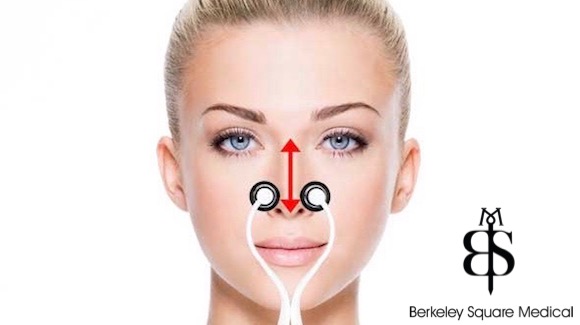
Nasal packing is a common part of rhinoplasty recovery, yet it remains one of the most misunderstood and feared aspects of the healing process. Whether you are preparing for surgery or looking for reassurance about what to expect, understanding how nasal packing works—and how modern techniques improve comfort—can make recovery far easier.
This guide explains what nasal packing is, why surgeons use it, how long it typically stays in, what removal feels like, and how advanced early-removal protocols at Berkeley Square Medical help minimise discomfort, breathing issues, and infection risks.
Nasal packing is used after rhinoplasty to control bleeding, support internal structures, and stabilise the septum during early healing.
Traditional nasal packing often stays in place for 24 hours to 7 days, which can make breathing difficult and increase discomfort, congestion, or infection risk.
Removal of standard packing can be uncomfortable, especially if left in for several days while tissues adhere to the material.
Modern rhinoplasty techniques—including the early-removal method used at Berkeley Square Medical—allow packing to be removed within 4 hours, improving breathing and reducing pain.
Dissolvable packing, internal nasal splints, and alternative materials also exist, but they vary in comfort, cost, and suitability depending on the procedure.
Nasal packing refers to sterile material—traditionally cotton gauze or sponge-like inserts—placed inside the nostrils immediately after rhinoplasty or septoplasty. Surgeons use packing for several essential reasons:
Bleeding control
Packing applies gentle internal pressure to reduce bleeding, absorb fluids, and maintain a clean environment during the first hours of healing.
Support of internal structures
After reshaping the septum, cartilage, or nasal framework, packing helps stabilise tissues and maintain alignment while the nose begins to heal.
Swelling reduction
By limiting internal movement, packing can minimise fluid buildup inside the nasal passages.
Preventing septal complications
Packing helps prevent haematoma formation (blood collecting between septal layers), which is one of the most important early postoperative risks.
Although traditional packing plays an important role, many patients report discomfort—especially when the nose remains fully blocked for several days. This is why modern techniques now aim to reduce the duration packing stays in the nose or avoid it altogether when medically appropriate.
There are several forms of nasal packing used across rhinoplasty and sinus surgery, each with advantages and drawbacks. Understanding the options helps patients know what to expect—and why some materials cause more discomfort than others.
This is the most widely recognised form of nasal packing. Long strips of lubricated gauze are placed deep inside the nostrils to absorb blood and stabilise tissues.
Pros: Effective at controlling bleeding, inexpensive.
Cons: Causes full nasal blockage, often uncomfortable, can become stuck to healing tissue, and removal can be painful.
Merocel is a synthetic, sponge-like material that expands when moistened.
Pros: More consistent pressure than gauze, good for bleeding control.
Cons: Can feel firm inside the nose; removal may cause temporary discomfort or tearing sensation.
Dissolvable gel-foam materials are increasingly used after septoplasty or functional rhinoplasty.
Pros: No removal required, more comfortable, allows some airflow.
Cons: May not provide the same structural support as traditional packing; more expensive.
Sometimes confused with nasal packing, splints are thin, flexible plates placed inside the nose.
Pros: Allow limited breathing through built-in airways, reduce scar tissue formation, stabilise the septum.
Cons: Not a replacement for packing in all cases; may still cause pressure or temporary blockage.
Using gentle surgical handling and improved internal support techniques, some surgeons—including those at Berkeley Square Medical—can minimise or eliminate the need for prolonged packing.
This approach typically allows early removal within hours, significantly reducing discomfort and breathing difficulty.

Nasal packing is effective, but it also brings several challenges that patients frequently describe during early recovery:
Traditional packing completely fills the nasal passages. Patients must breathe through their mouths until it is removed, which can cause:
Dry throat
Mouth discomfort
Difficulty sleeping
Increased anxiety in some patients
This is one of the main reasons nasal packing is remembered as uncomfortable, especially if it stays in place for several days.
Packing can create a sensation of fullness or pressure inside the nose. This is normal but can feel overwhelming for some patients, particularly when combined with swelling.
Any foreign material left inside the nose for prolonged periods can slightly increase the risk of bacterial growth or infection.
The longer packing stays in place, the more likely it is to:
Stick to healing tissue
Become dried out
Cause significant discomfort when pulled out
This is why early removal is becoming the preferred choice in modern rhinoplasty.
The duration depends on the surgeon, the technique used, and the type of nasal surgery performed. Here are the typical timelines:
24 hours to 7 days
This is still used in many clinics. However, extended packing often increases discomfort, congestion, and sleep difficulty.
Stays in place naturally and dissolves over 1–2 weeks
This avoids removal discomfort but may not provide the same structural stability for certain procedures.
Packing removed approximately 4 hours after surgery
Because the surgeon applies local anaesthesia before placing the packing—and because it is inserted while the patient is under general anaesthesia—the removal is:
Pain-free
Quick
Far more comfortable than traditional protocols
For many patients, this is the biggest concern.
Removal can cause discomfort because the material may adhere to tissues and feel like a strong pulling sensation. Some describe it as:
Sharp
Pressure-heavy
Momentarily unpleasant
The discomfort is usually brief but memorable.
Patients typically describe removal as:
Mild
Weird but not painful
Much more comfortable than expected
Because the packing is removed before it has time to dry out or stick to tissues, the experience is significantly easier.
Our advanced nasal packing method is just one of the many reasons why patients choose Berkeley Square Medical for their rhinoplasty. Our approach includes:
For those searching for the best rhinoplasty surgeon in London, our commitment to innovative techniques and patient comfort sets us apart.
To make your immediate post-rhinoplasty period smoother, consider the following:
This reduces swelling and pressure.
It helps with throat dryness from mouth breathing.
This adds moisture to the air and reduces nose/throat irritation.
Follow surgeon instructions carefully to prevent bleeding or disruption of healing structures.
Do not take medications that increase bleeding risk unless your surgeon approves them.
These allow your surgical team to monitor your healing and provide reassurance.
For more information, visit our Rhinoplasty Page to speak to a member of our Rhinoplasty Team.
Removal can feel uncomfortable when packing has stayed in for several days, because it may dry out and stick slightly to healing tissues. With early removal, as practiced at Berkeley Square Medical, the process is quick and usually described as pressure rather than pain.
Many clinics keep nasal packing in place from 24 hours up to a full week. Berkeley Square Medical removes nasal packing roughly 4 hours after surgery while local anaesthetic is still active, which makes the experience far more comfortable.
Traditional packing blocks airflow completely, meaning you must breathe through your mouth. With early removal, patients at Berkeley Square Medical only experience mouth breathing for a short period before nasal breathing becomes possible again.
Nasal packing absorbs blood and fluid, supports internal nasal structures during early healing, and helps reduce the risk of postoperative bleeding.
Nasal packing is soft material placed inside the nostrils, whereas internal splints are firmer silicone devices used to stabilise the septum or support internal structures. Some surgeries require splints, packing, both, or neither depending on the surgical plan.
No. Some rhinoplasty techniques use dissolvable materials or avoid packing altogether. Your surgeon will decide based on how much internal restructuring is needed.
Extended packing can increase infection risk because bacteria can accumulate around the material. Early removal helps reduce this risk significantly.


Patient Journey We are here to guide you to make the right decision for your well-being. If you are considering an aesthetic change to your appearance, we know that it’s one of the most important and personal decisions you wish to make. Therefore you need to be certain that the medical advice you receive is […]

Patient Aftercare All cosmetic surgery procedures at Berkeley Square Medical come with a comprehensive aftercare package and a 24-hour service so you can be assured you are always under the care and guidance of our surgical team. All your immediate aftercare is included in the cost of your surgery so there are no hidden extras in our […]

If you are considering Cosmetic Surgery, we understand that it's probably one of the most important decisions you're likely to make, therefore, you need to be sure it's right for you and you receive professional and independent advice about your procedure.

Our Philosophy We began our journey setting foot in the highly fashionable area of Berkeley Square, Mayfair where luxury fashion, galleries and five-star hotels all conveniently meet to set the example for world-leading client services and experience. Our goal was to create a cosmetic surgery practice that would not only exceed patients’ expectations but provide […]

