The Art of Preserving Identity
Through Ethnic Rhinoplasty
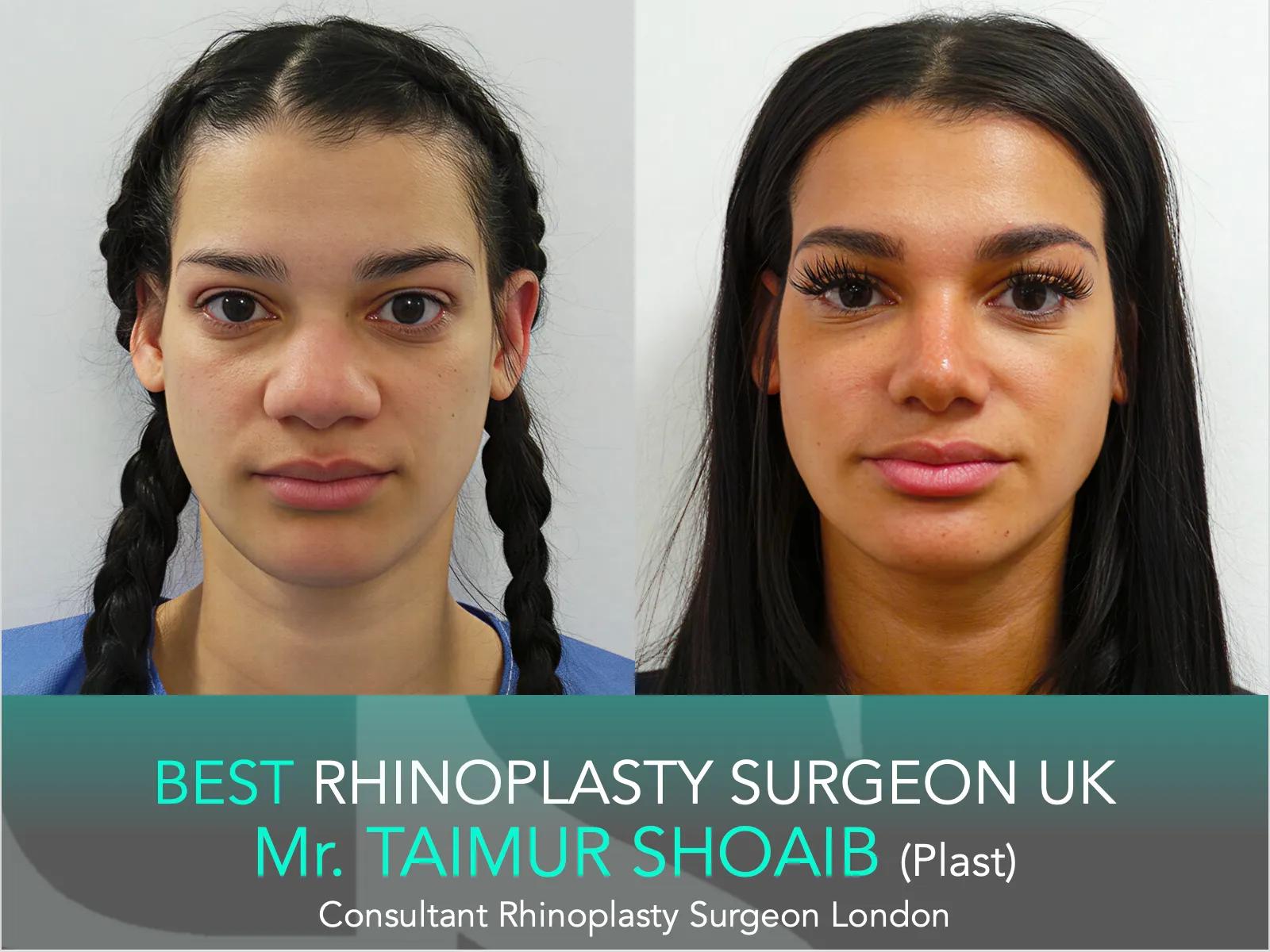
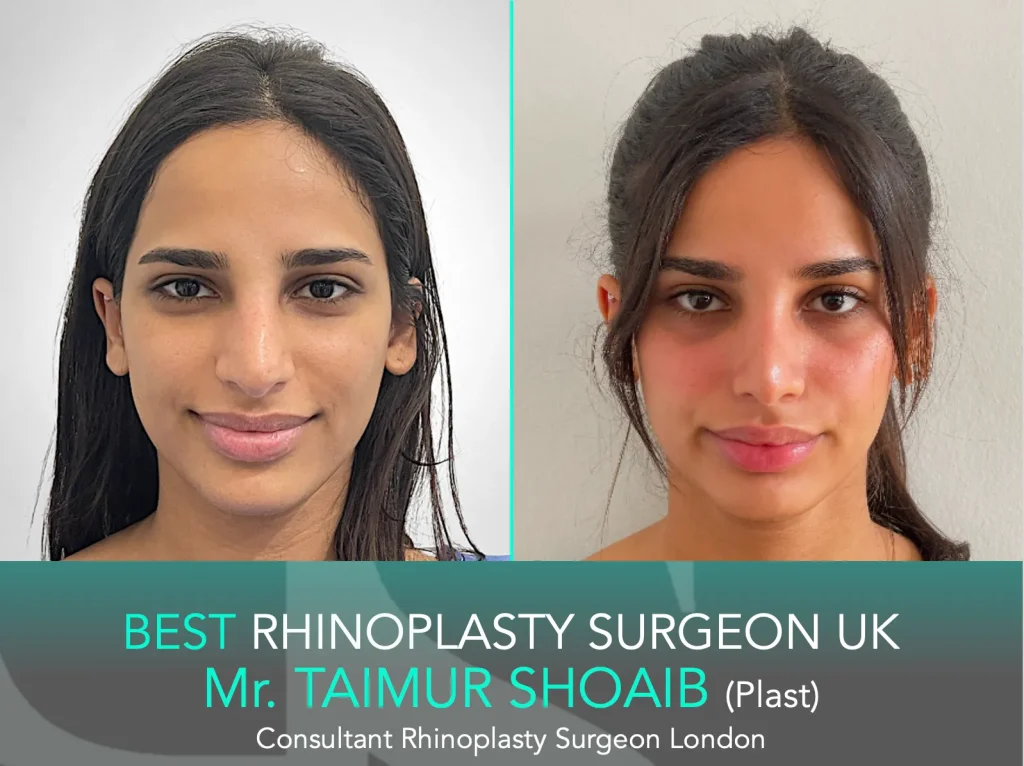
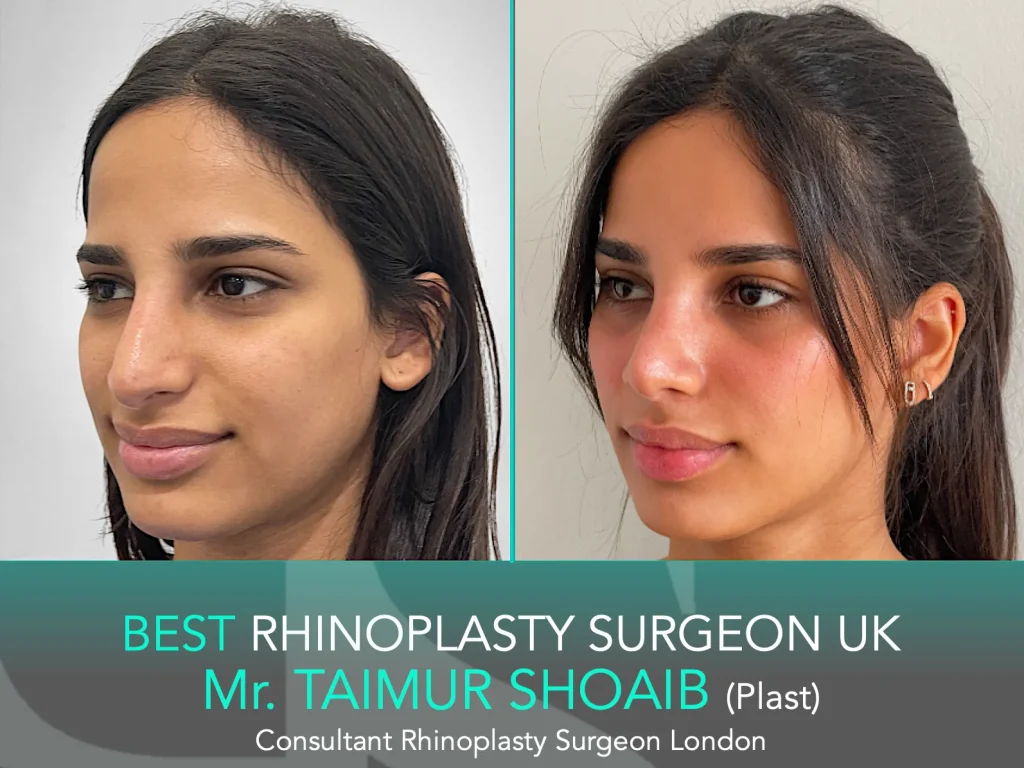
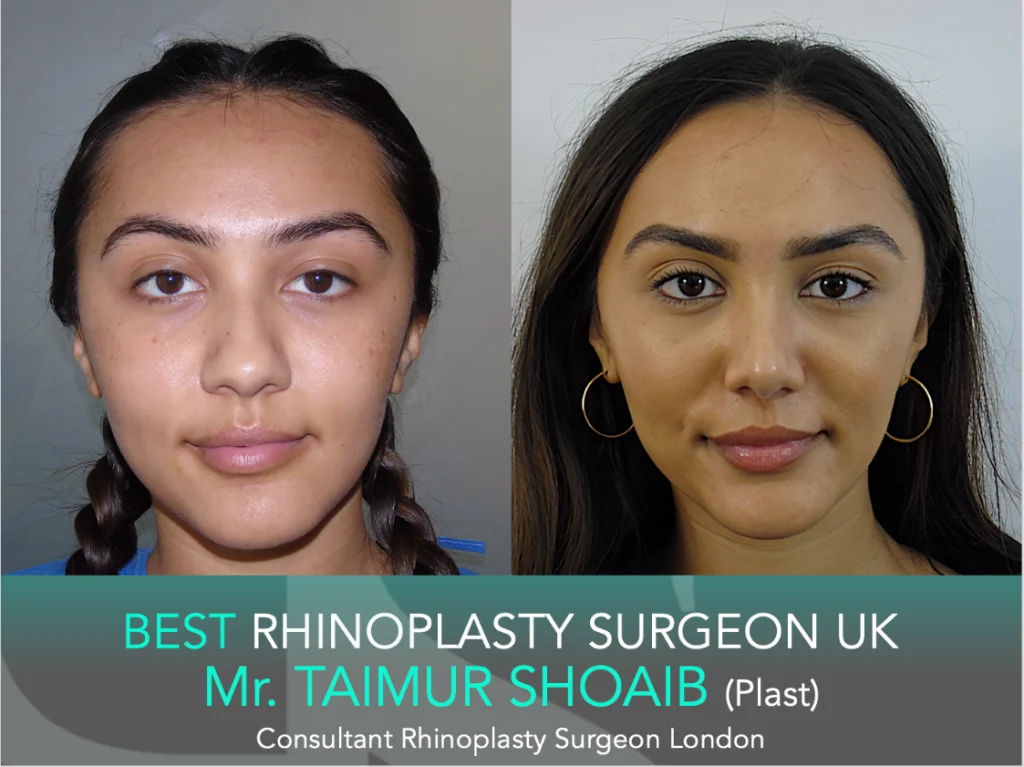
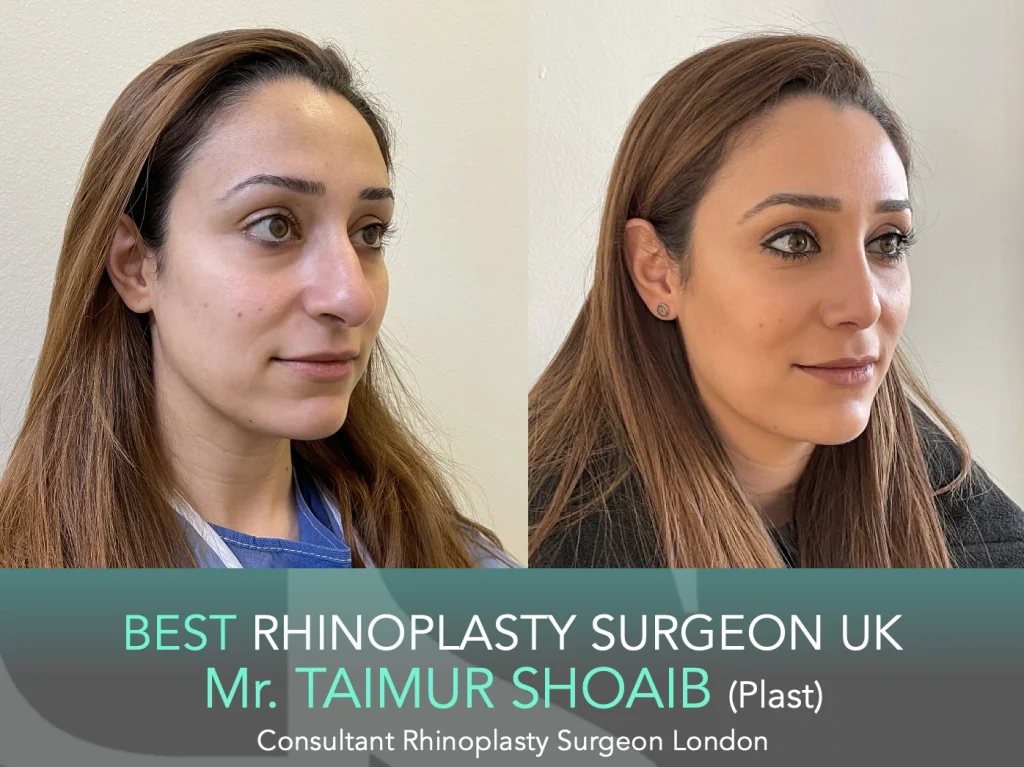
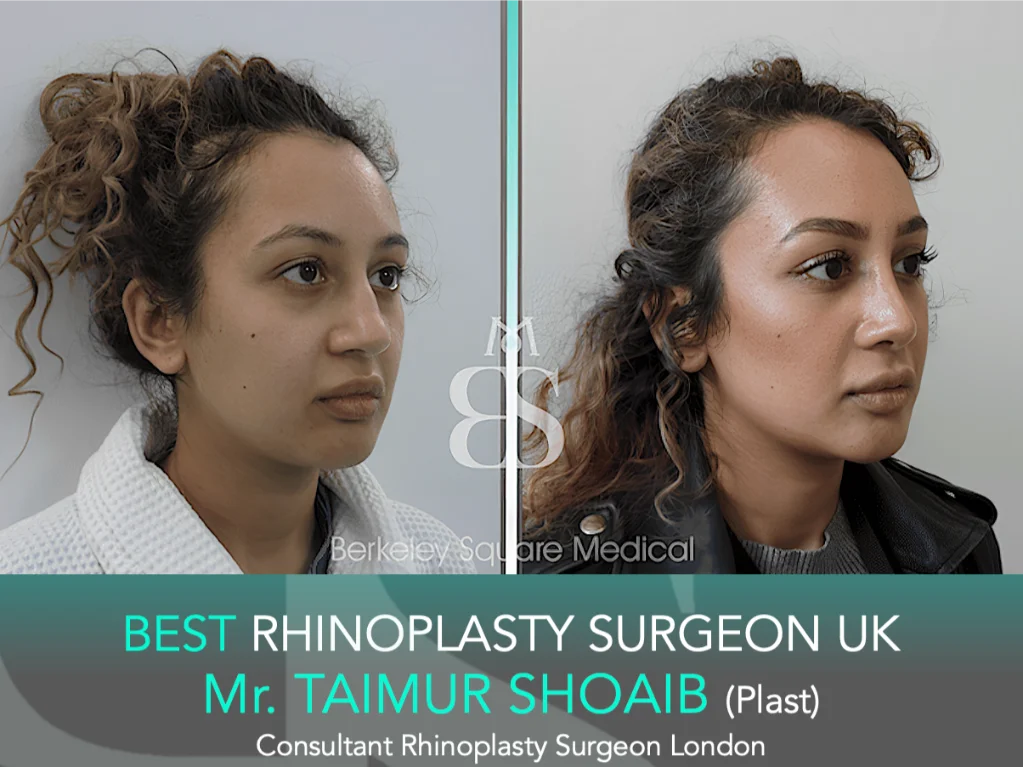
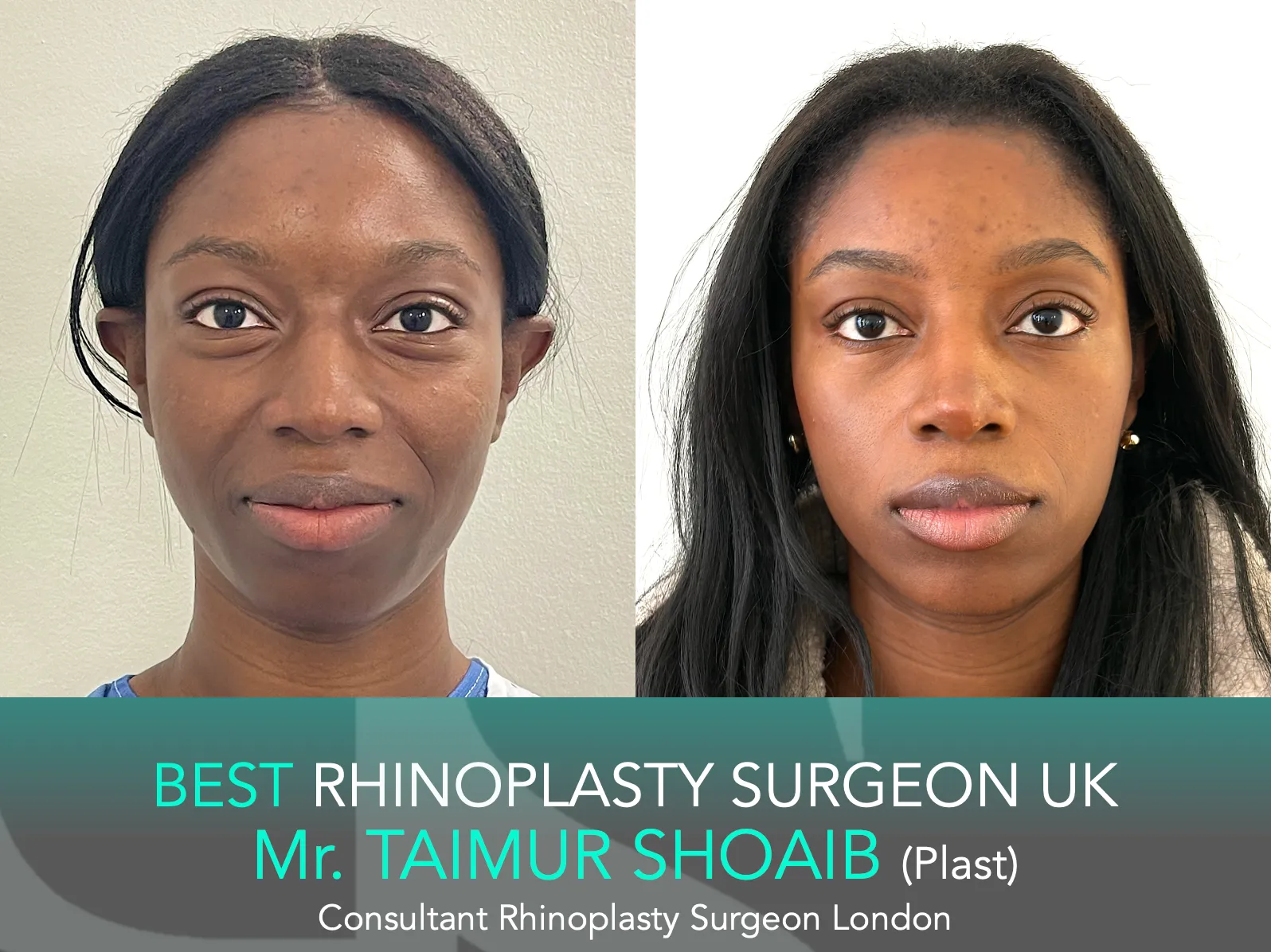
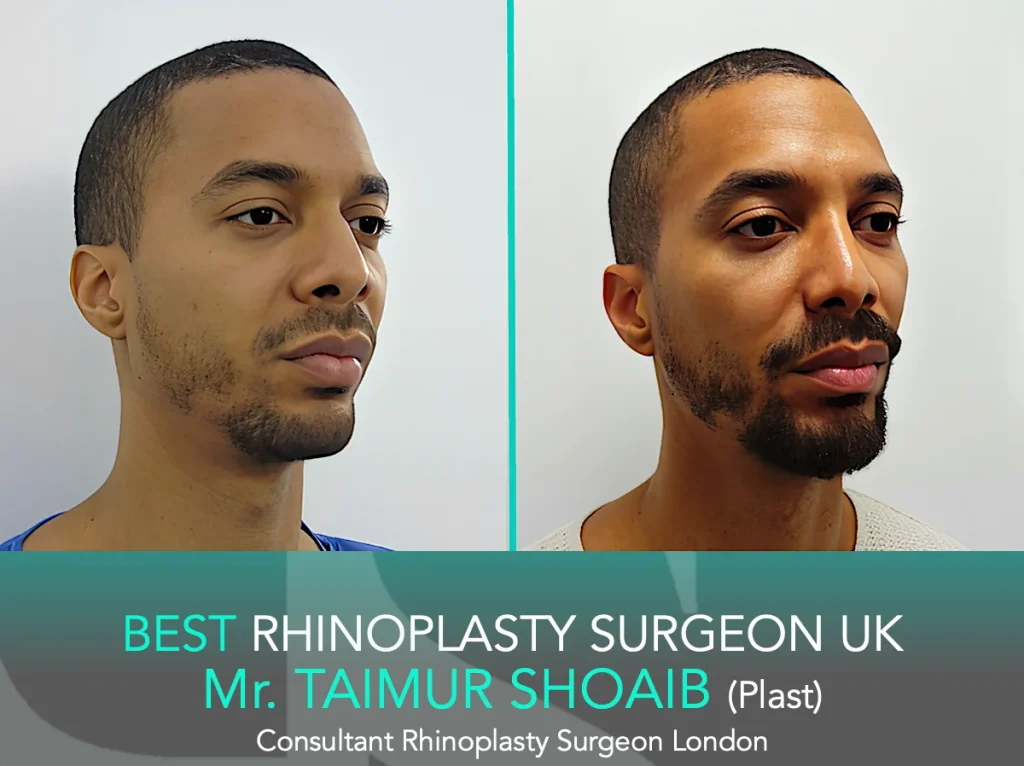
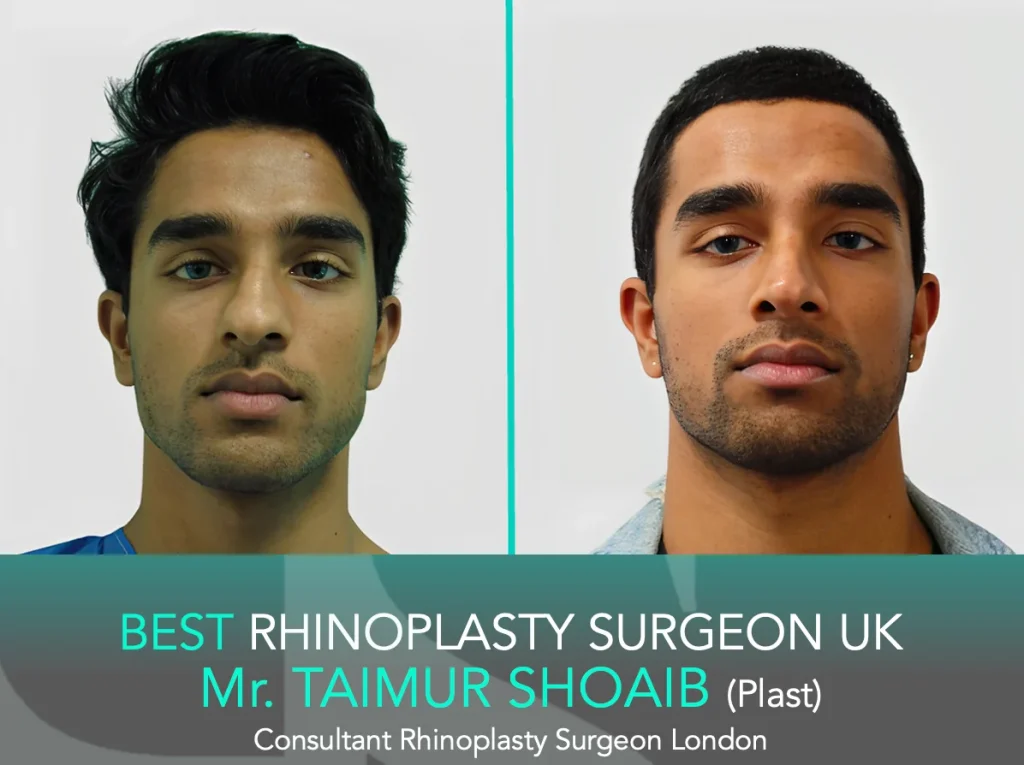
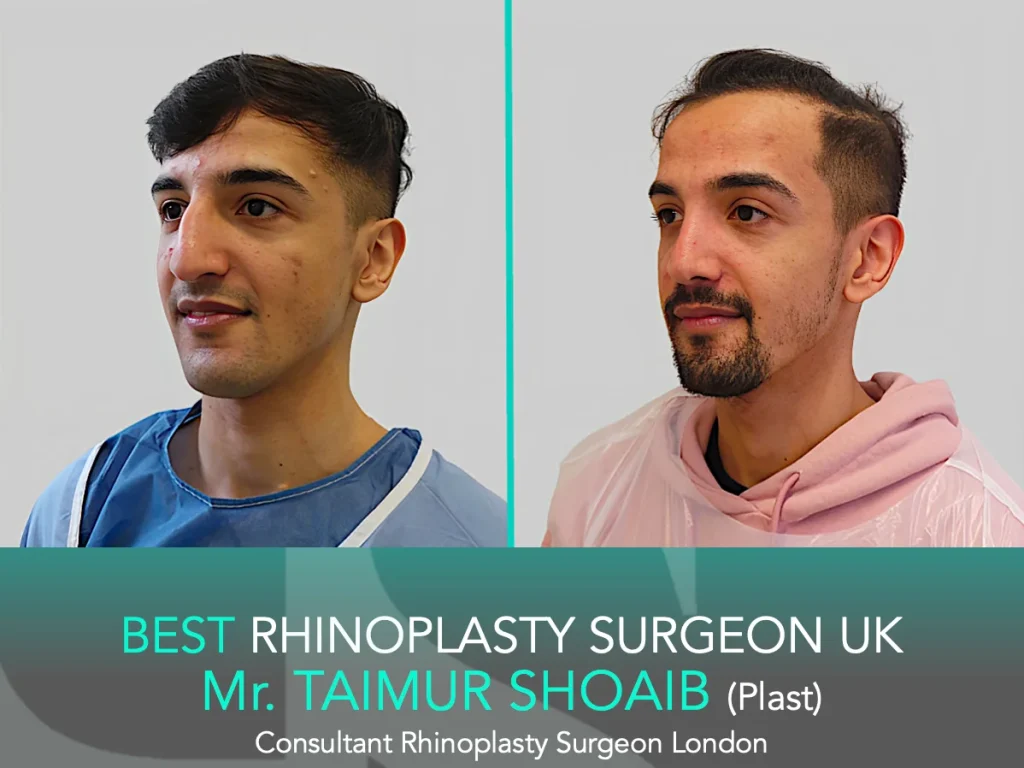
Ethnic rhinoplasty is a specialist field of nose surgery that refines the nose while protecting the features that reflect your heritage. For patients of African and Caribbean, Middle Eastern, South Asian and East Asian descent, the aim is rarely a radical change into a "Westernised" nose. It is a balanced, natural refinement that keeps your face recognisably your own.
Mr Taimur Shoaib, FRCS (Plast), is a consultant plastic surgeon at 64 Harley Street, London, with over 30 years of experience in ethnicity-specific, primary and revision rhinoplasty. Every nose is planned around the individual, with the structural support thicker skin types need and conservative reshaping of stronger bridges, so the result looks natural and never over-done.
Treatment is led by an internationally published rhinoplasty specialist.
Goals In Ethnic Rhinoplasty
|
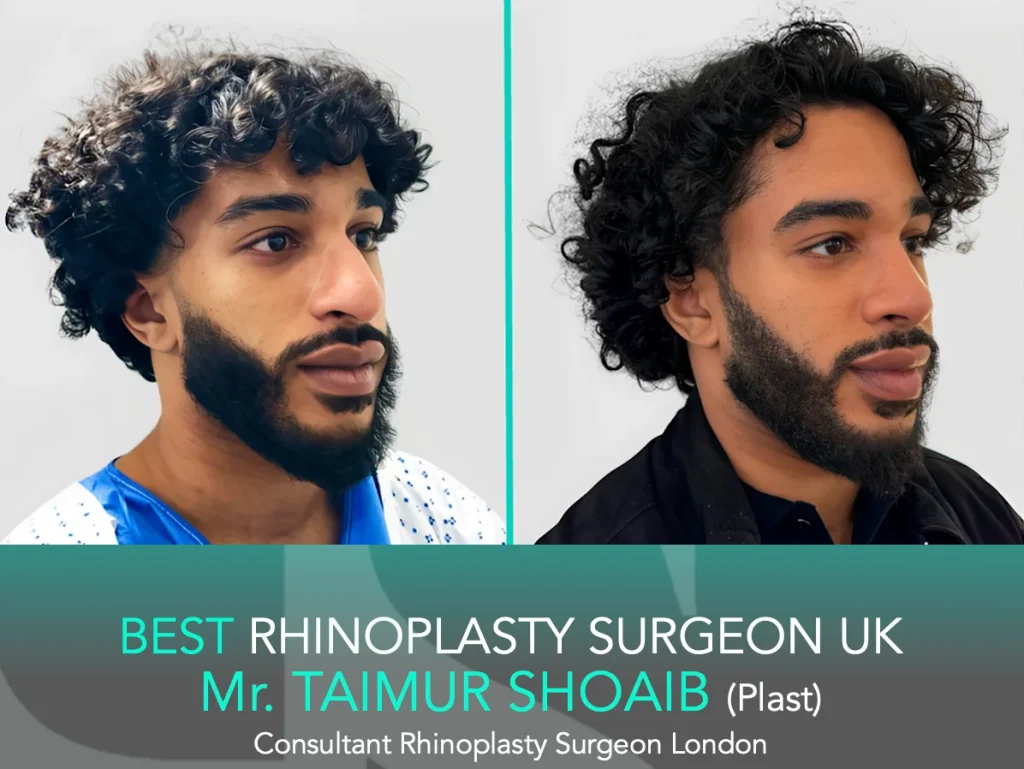
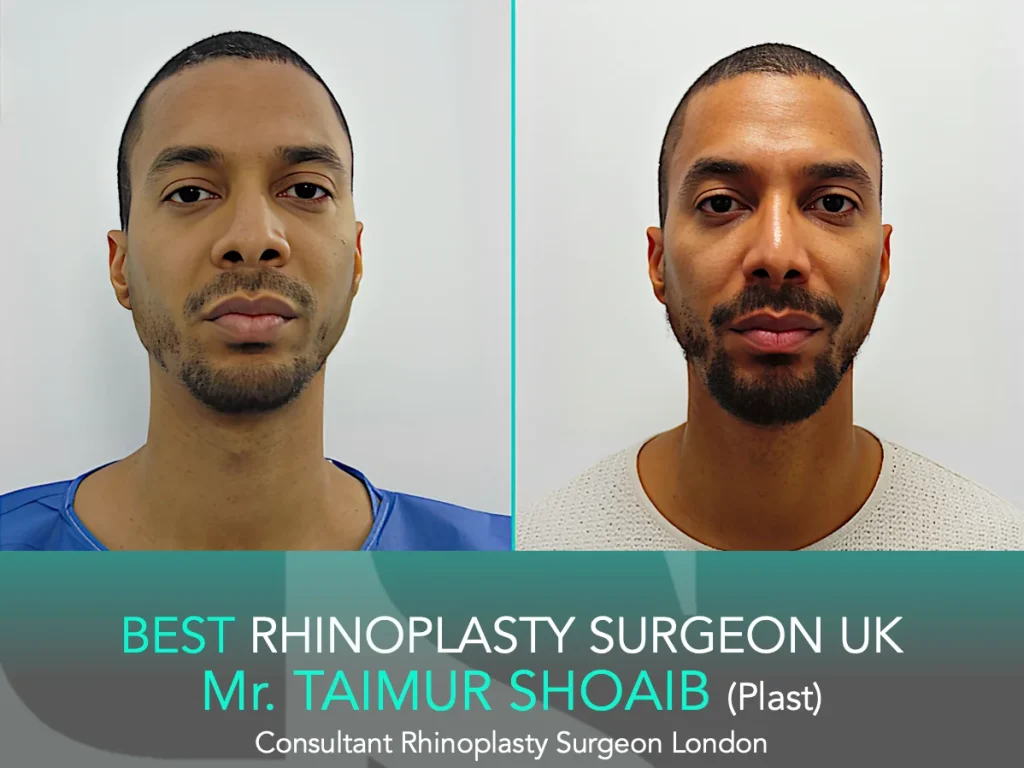
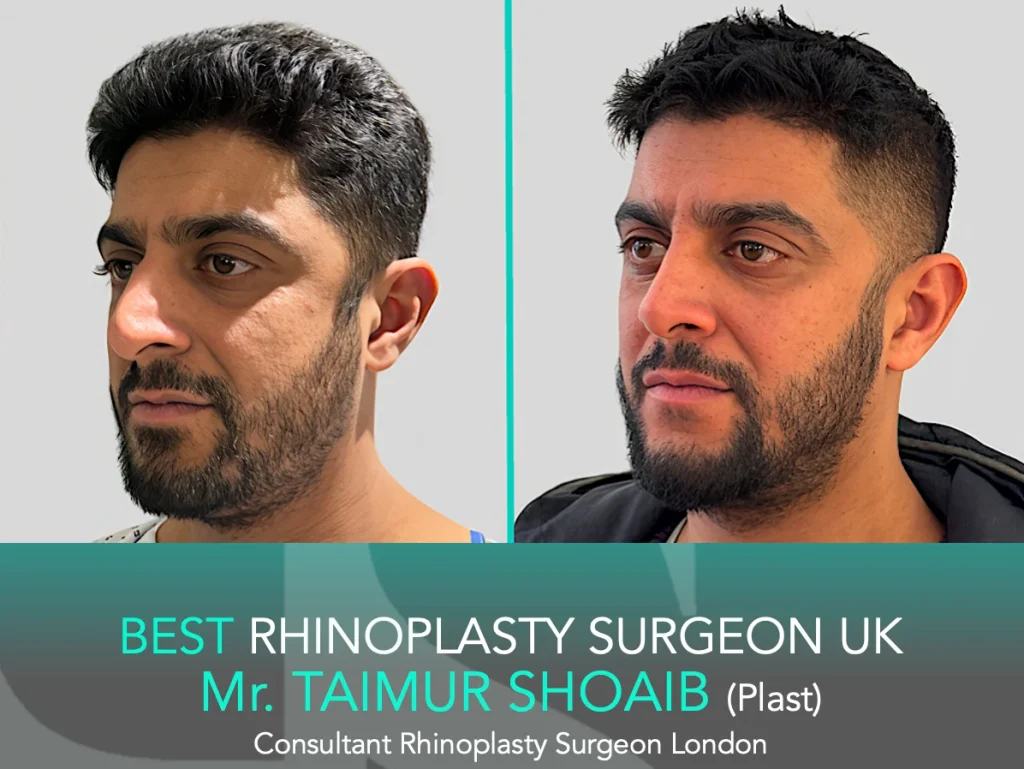
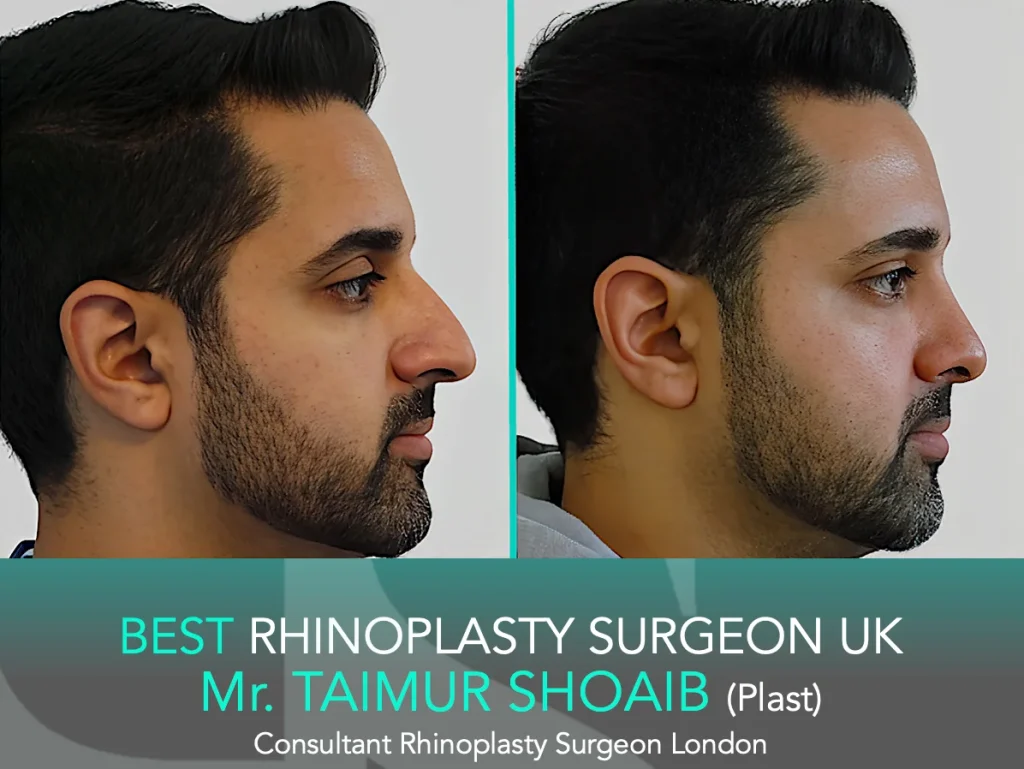
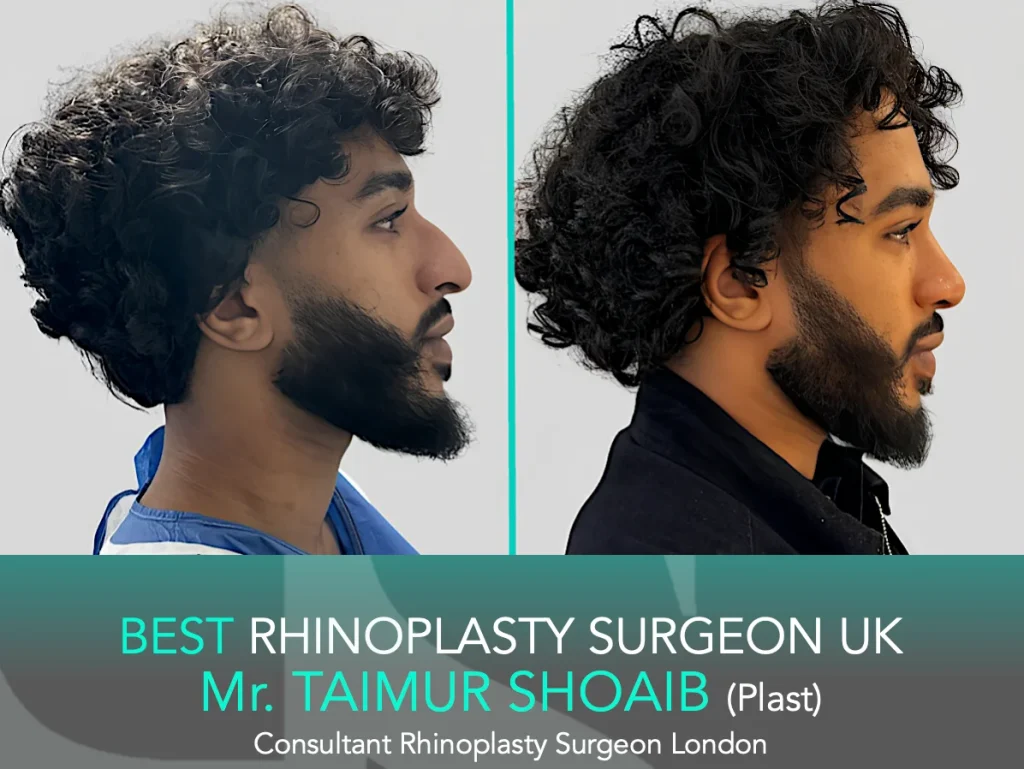
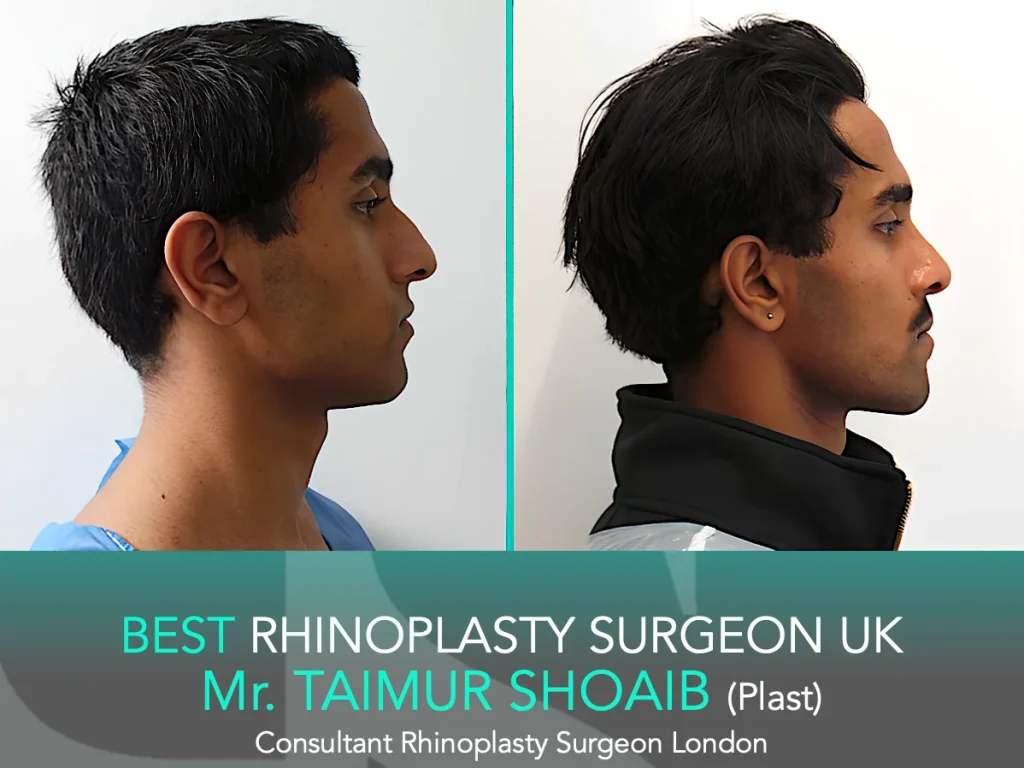
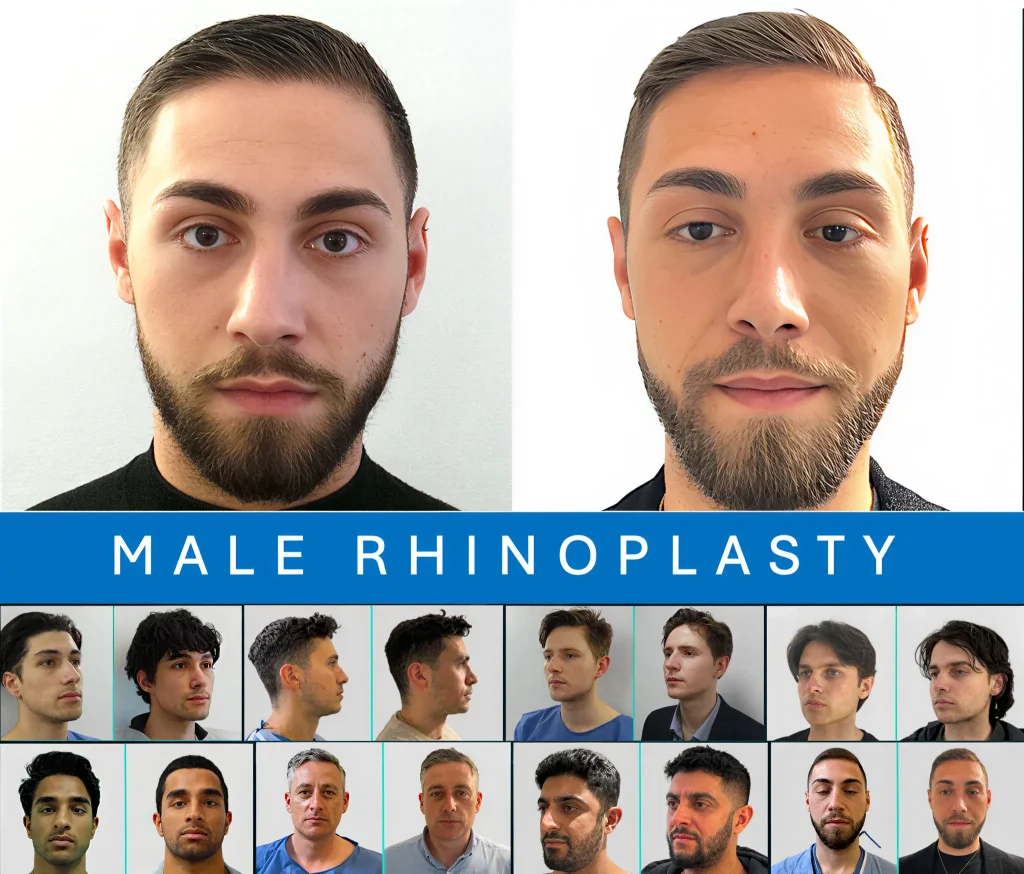
MALE ETHNIC REFINEMENT – The Structured Masculine Result
|
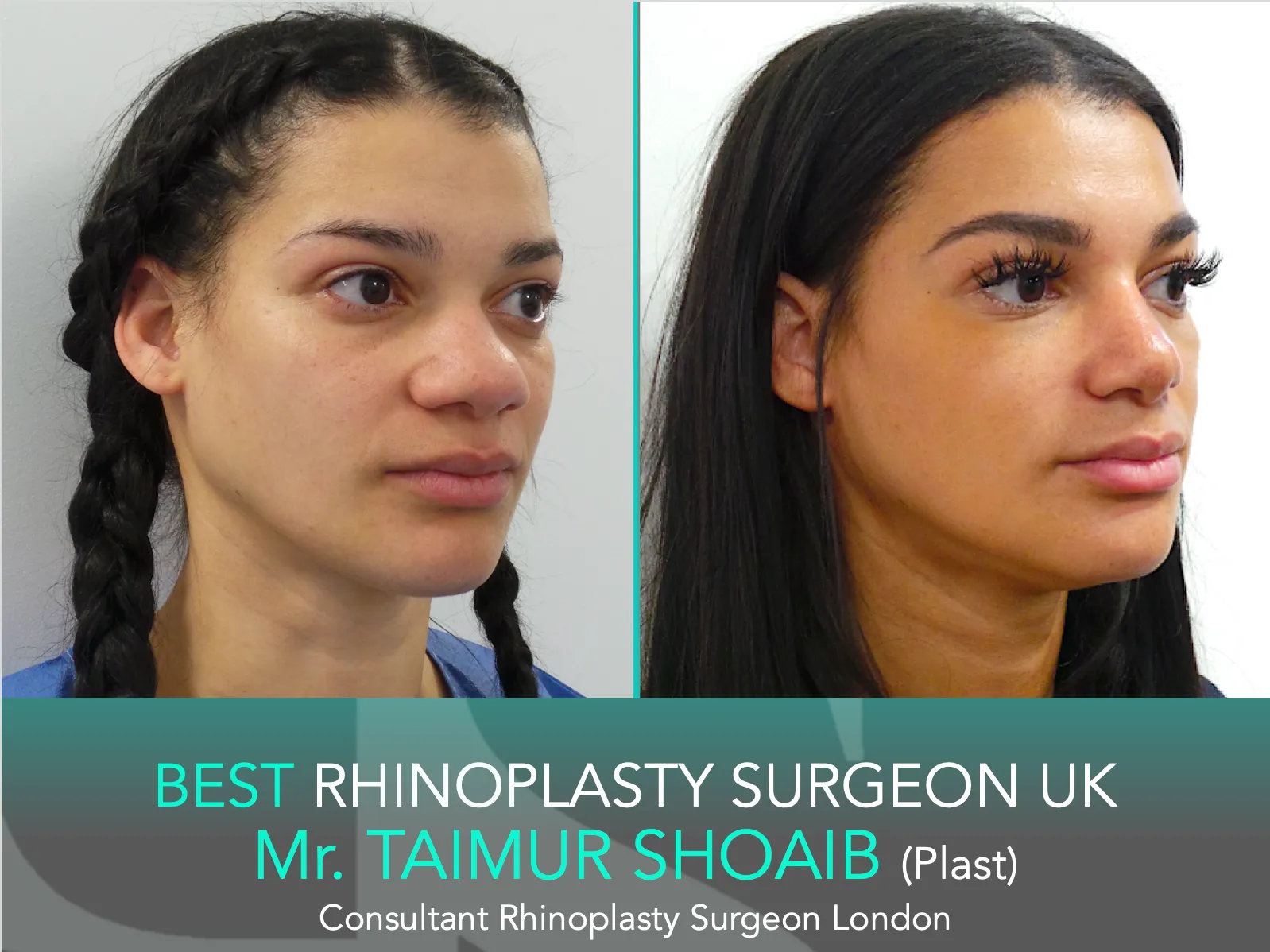
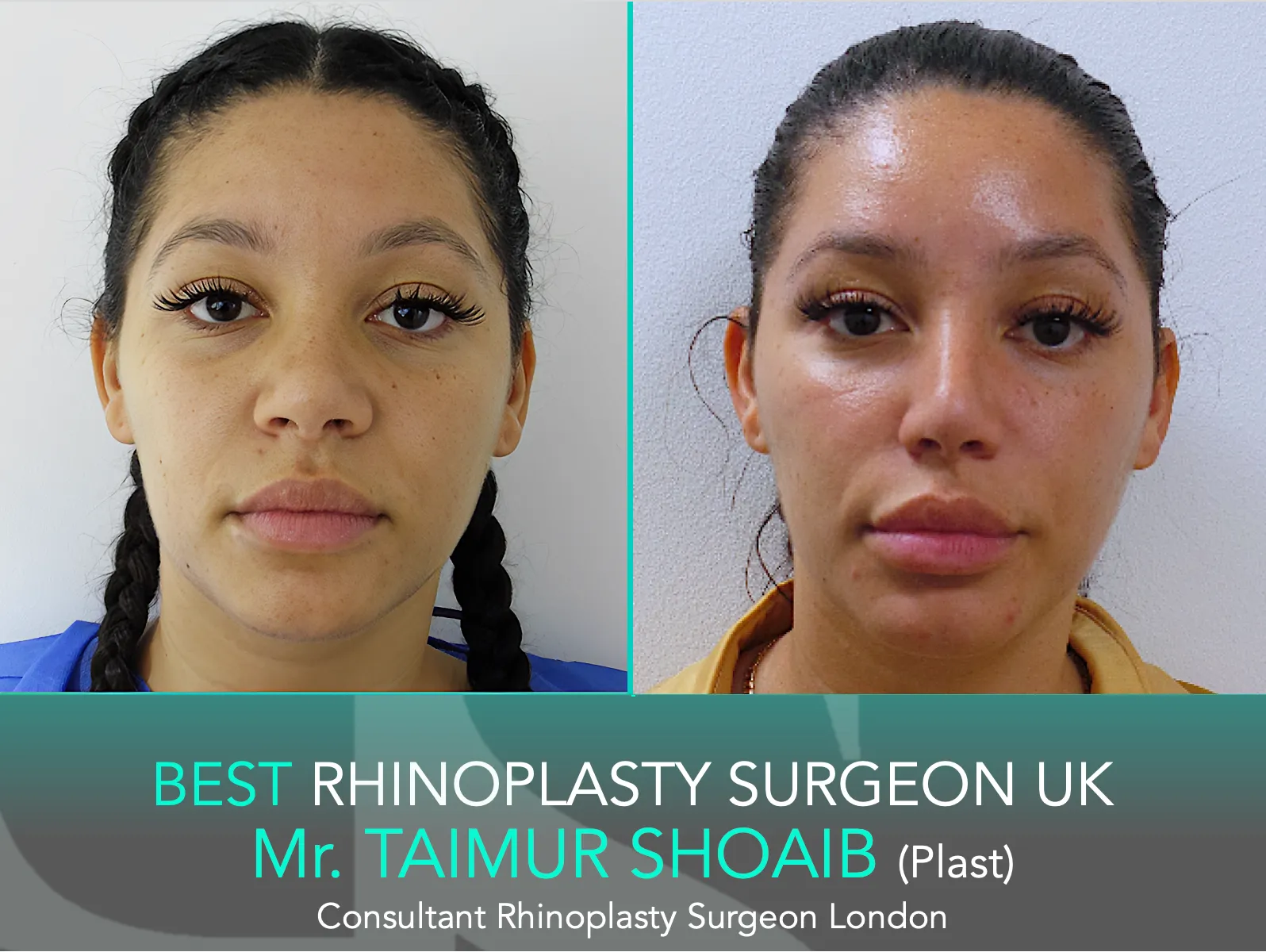
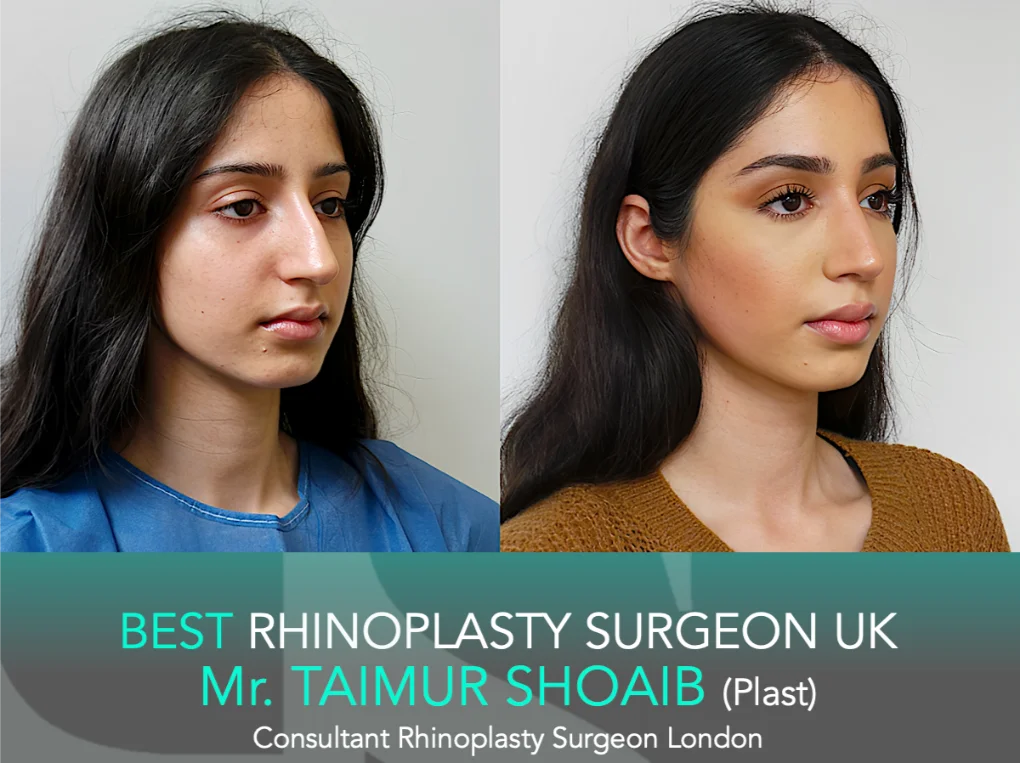
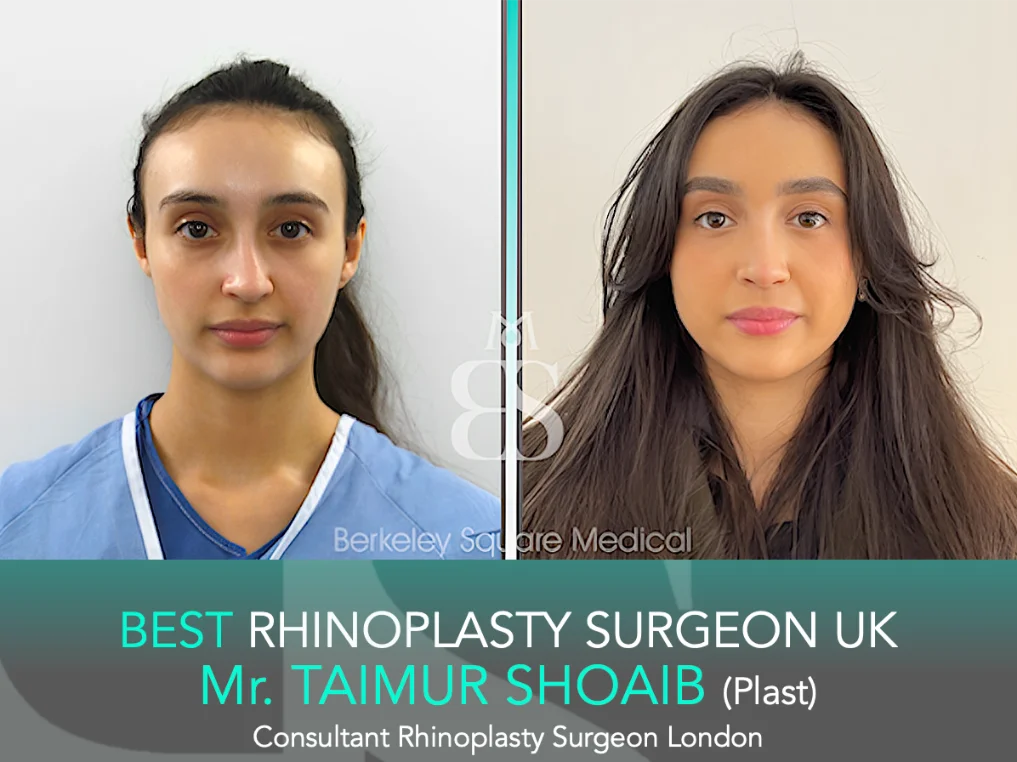
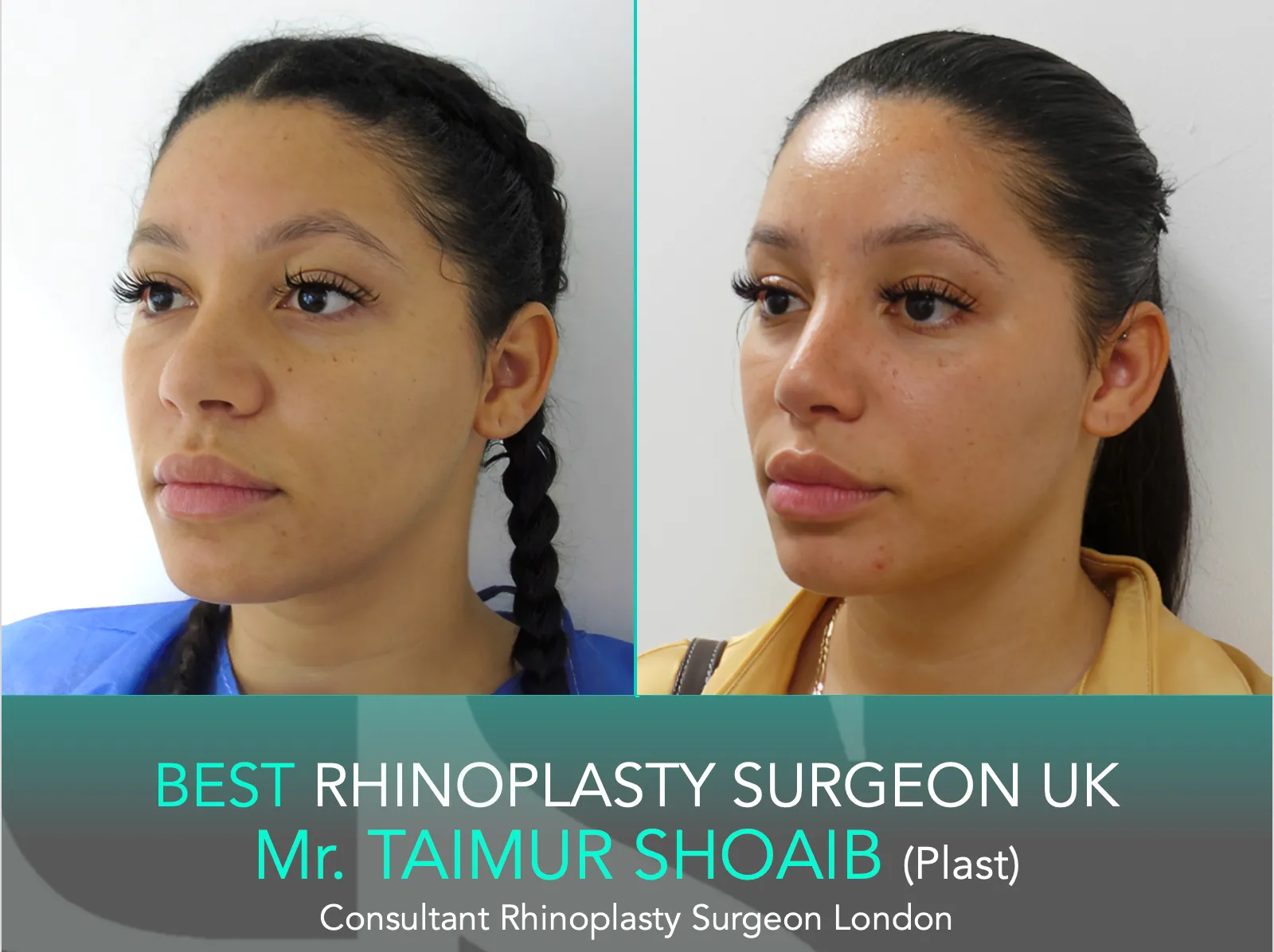
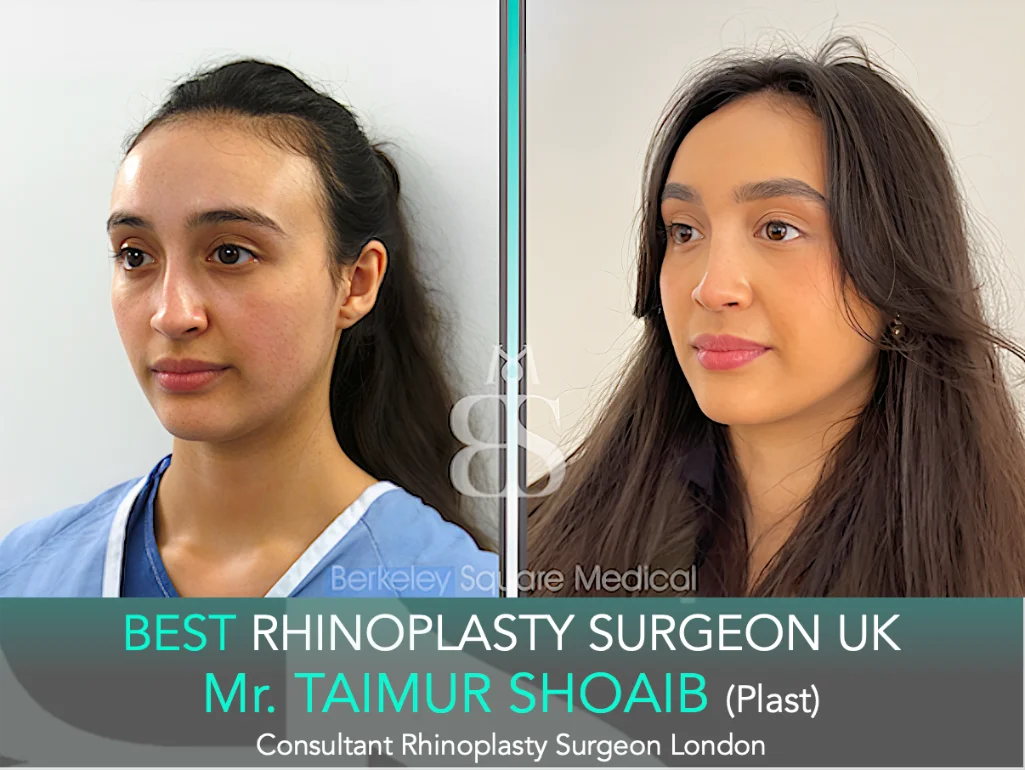
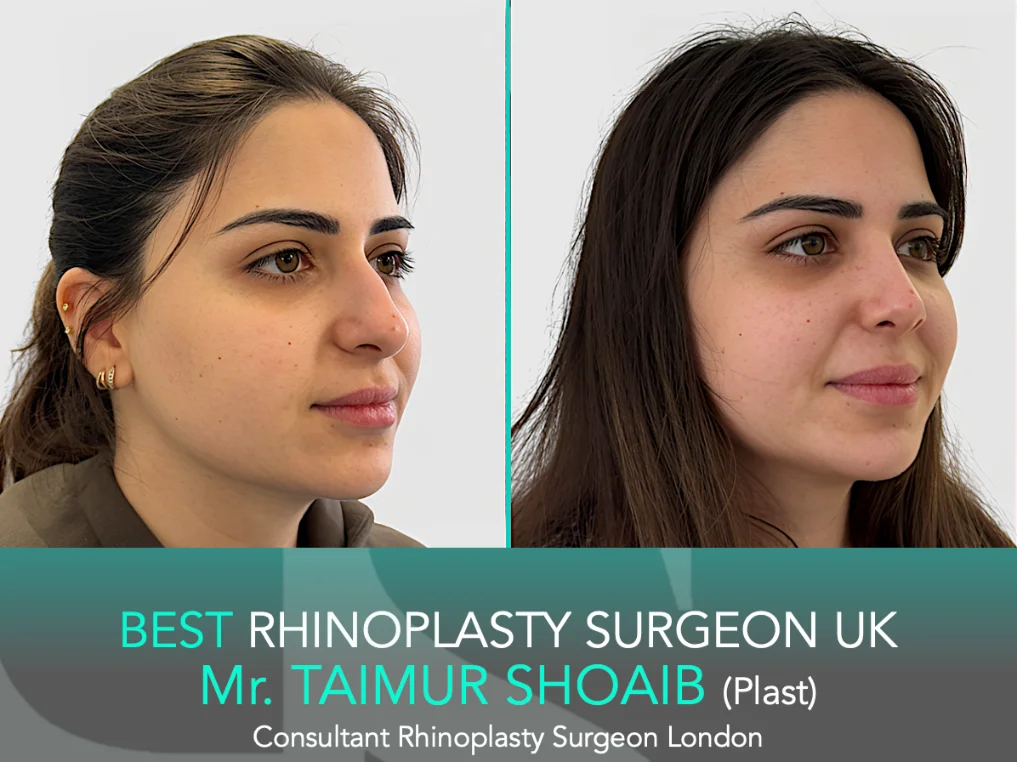
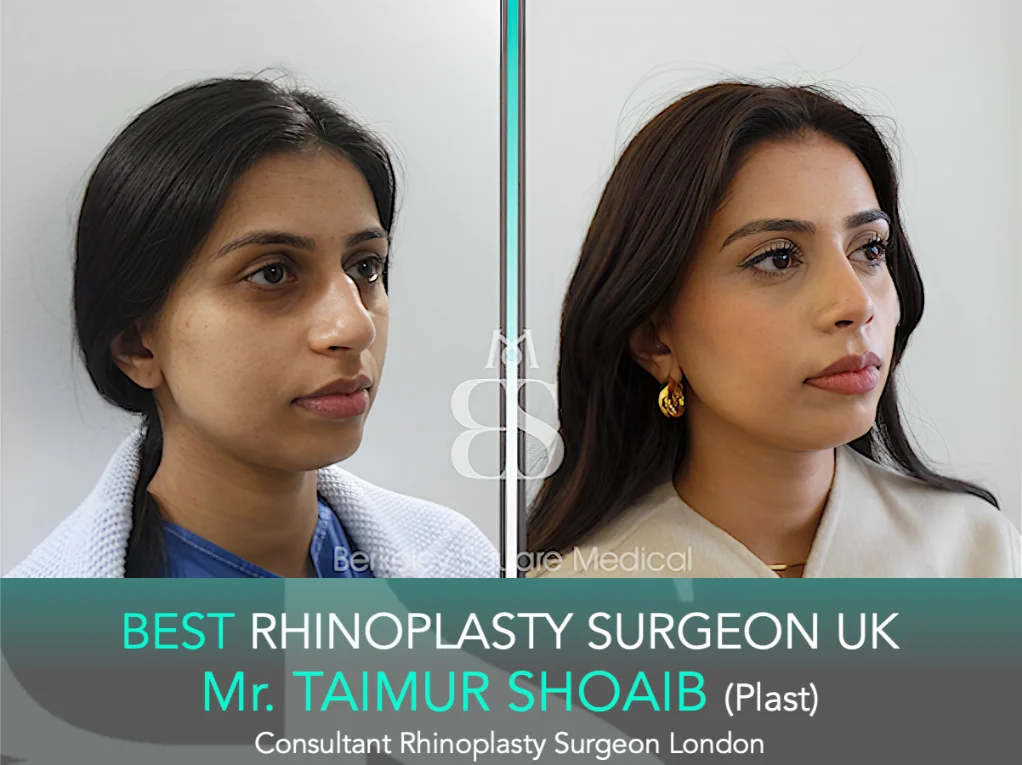
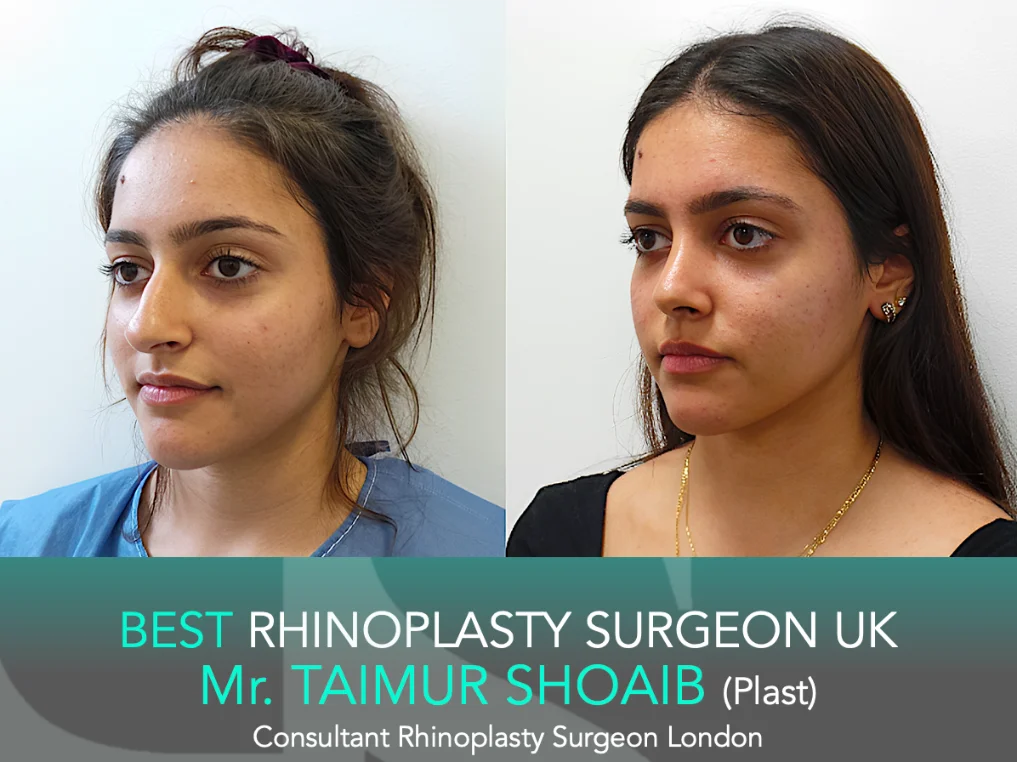
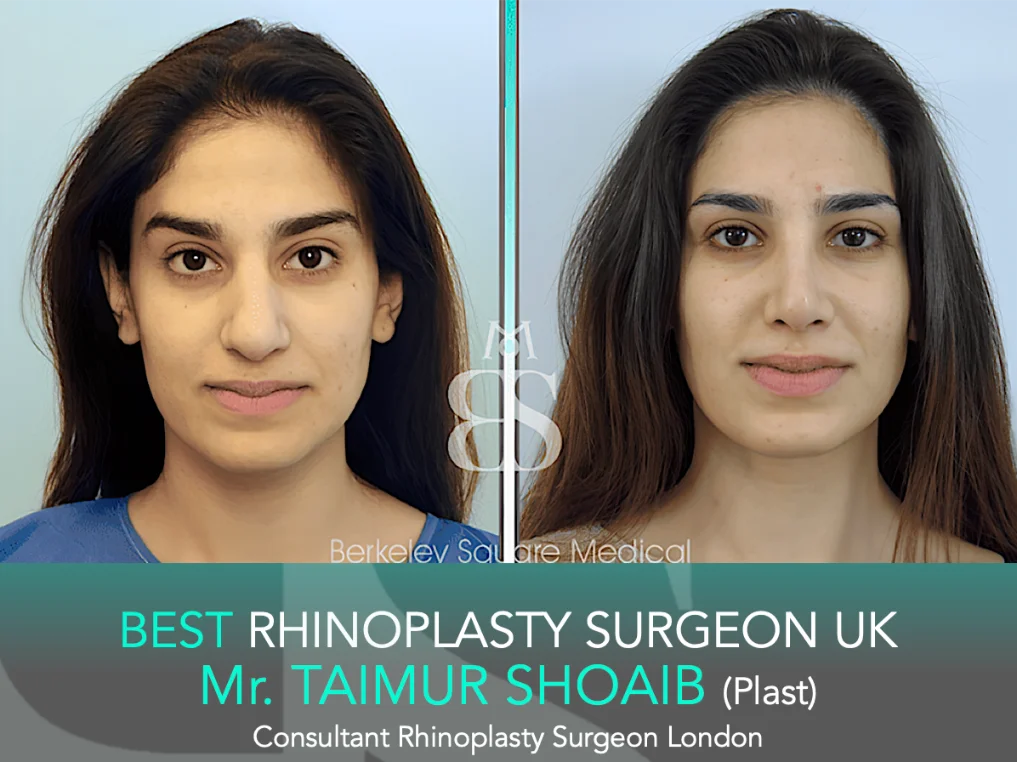
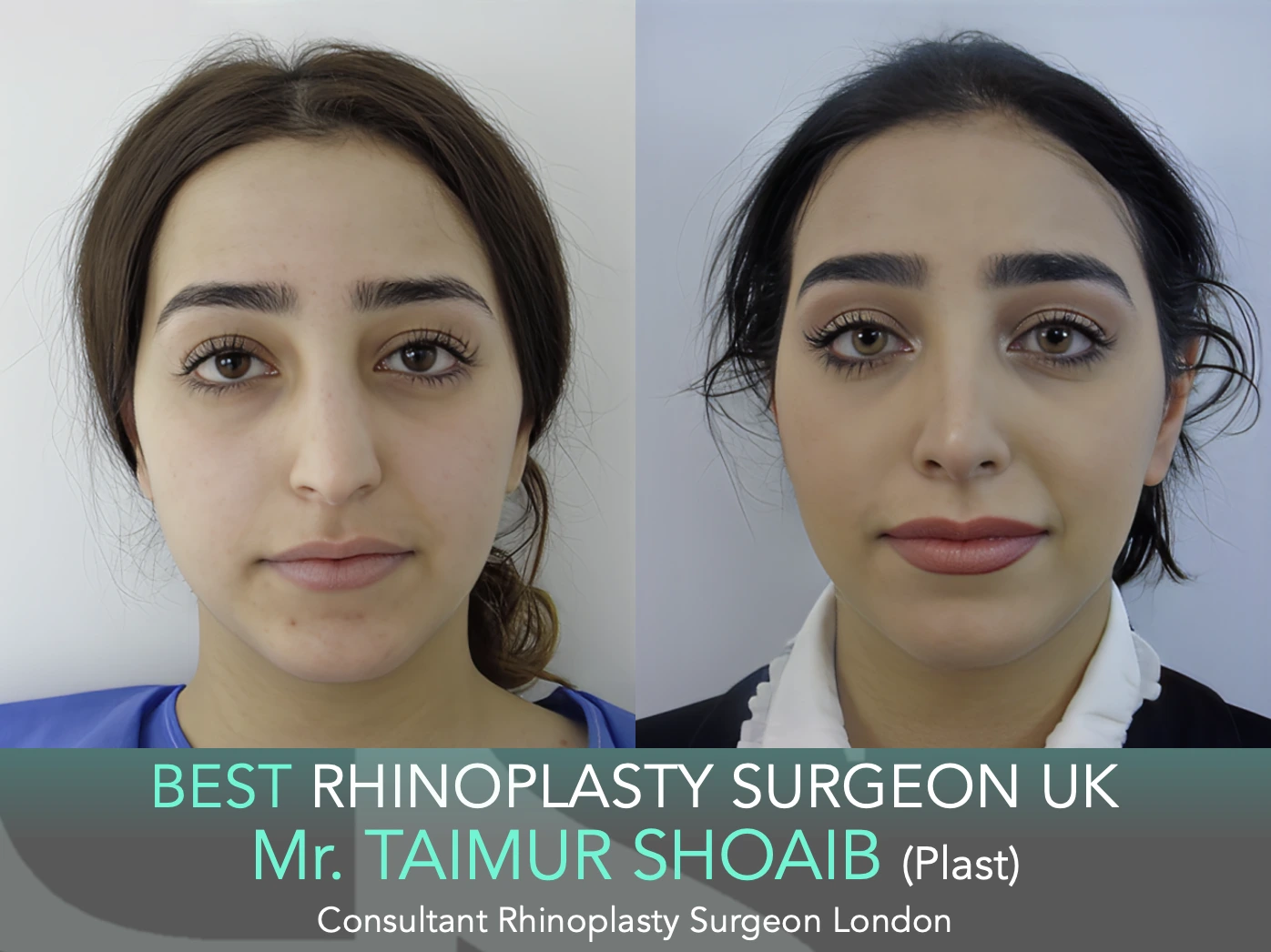
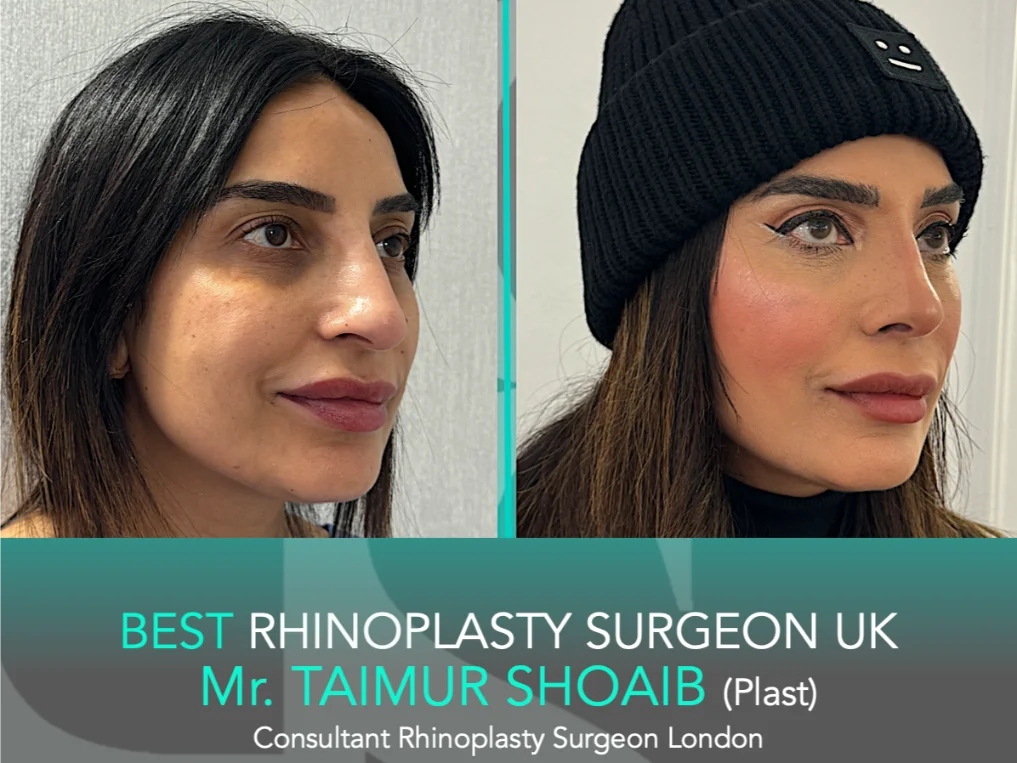
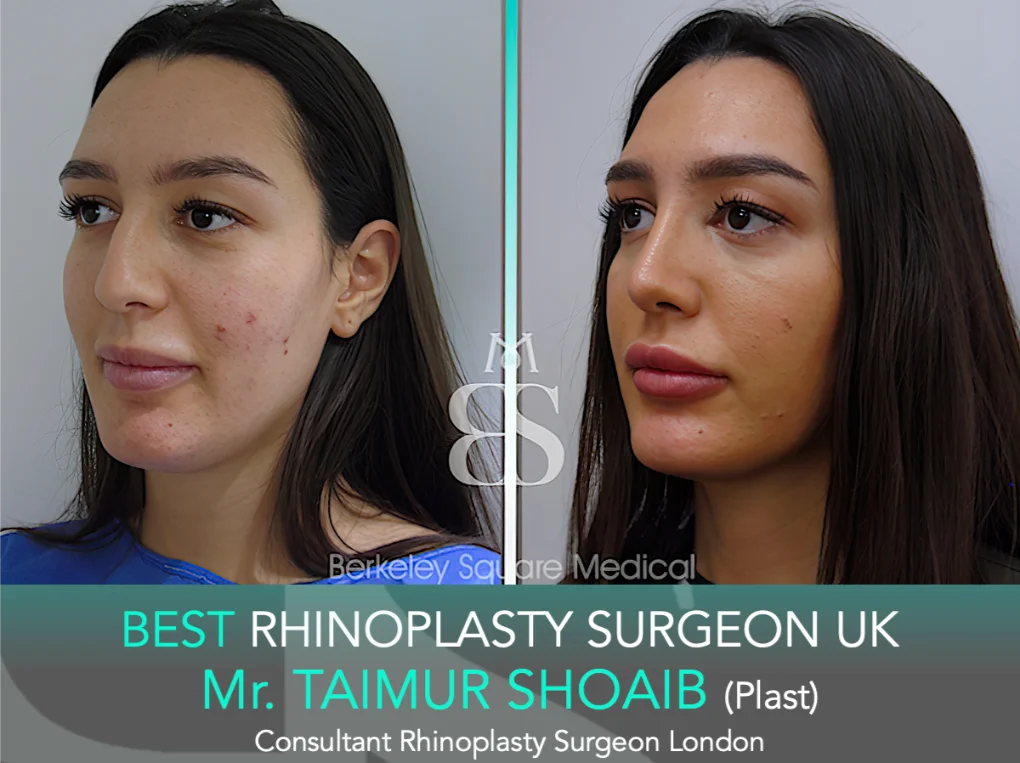
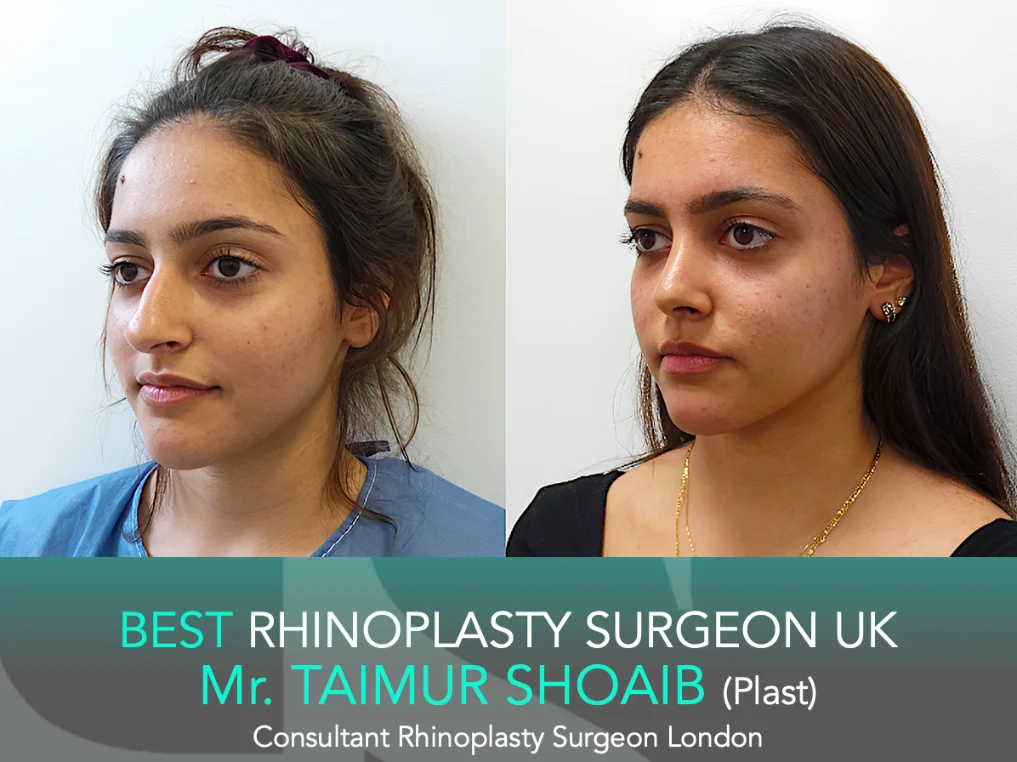
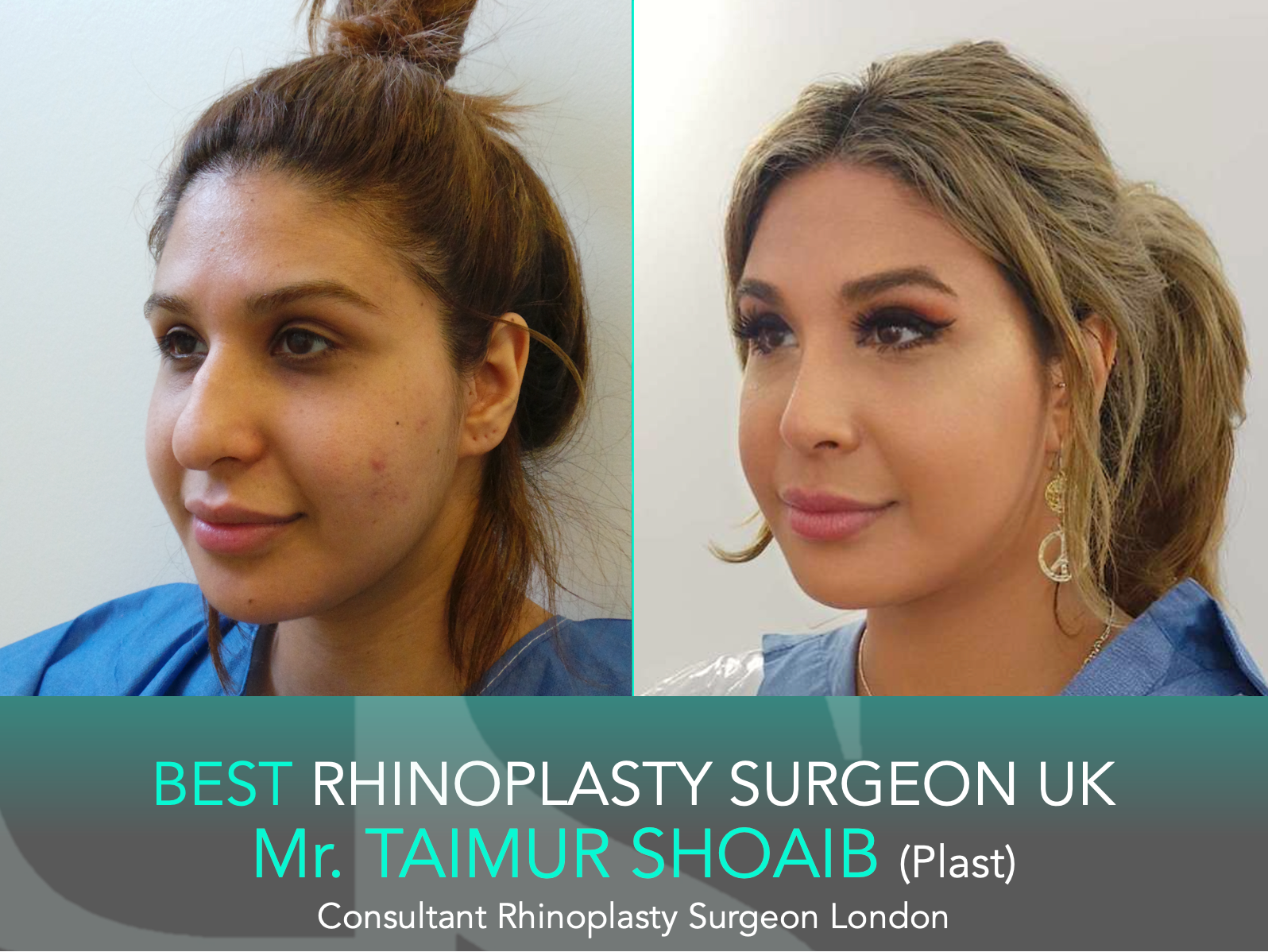
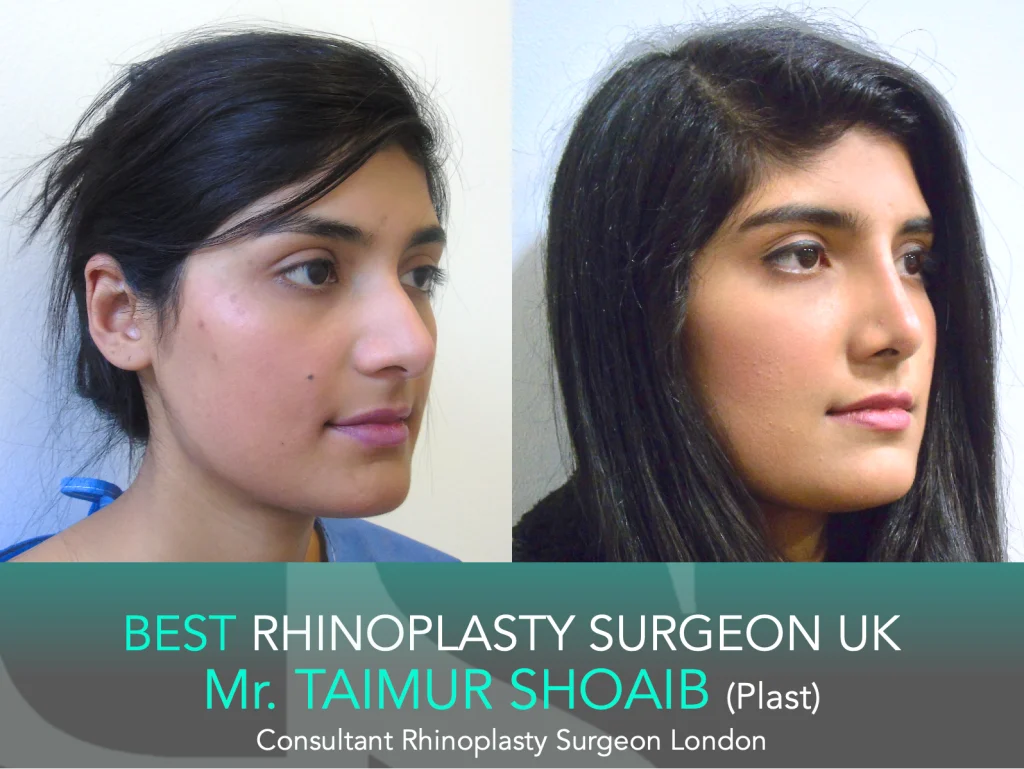
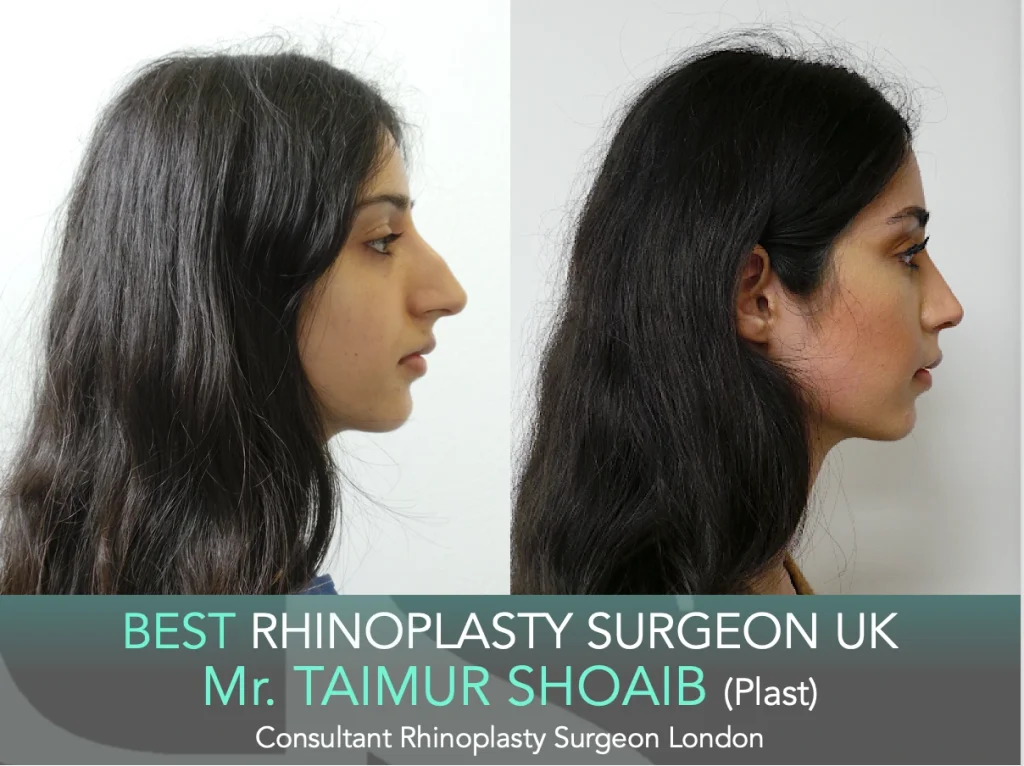
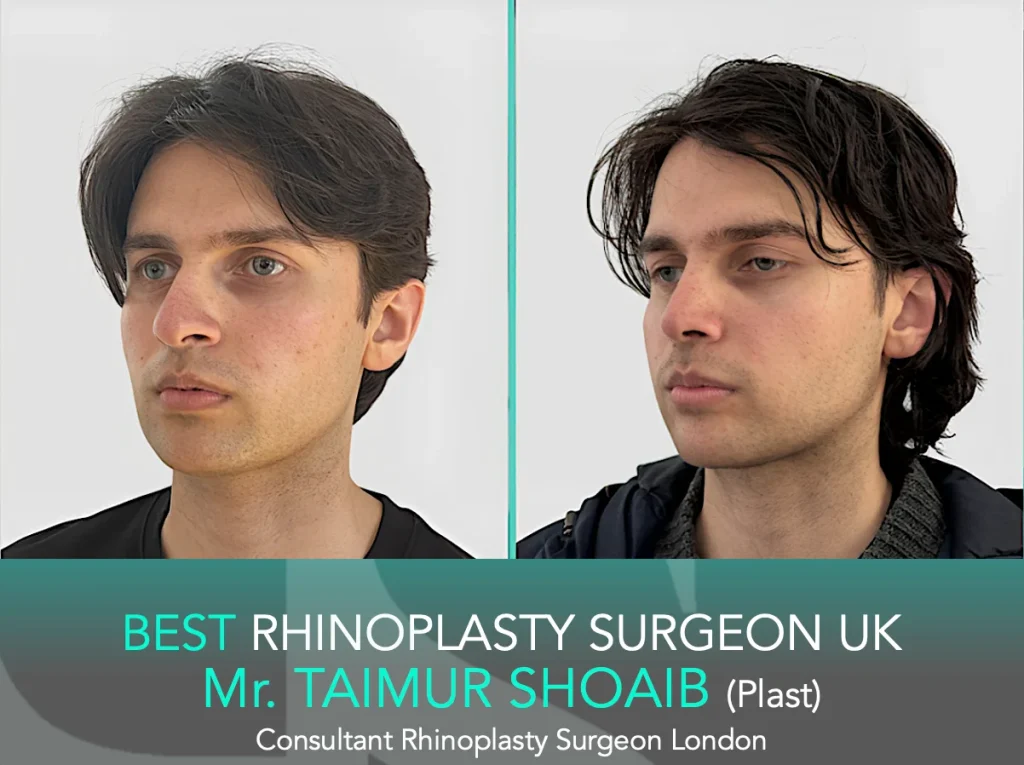
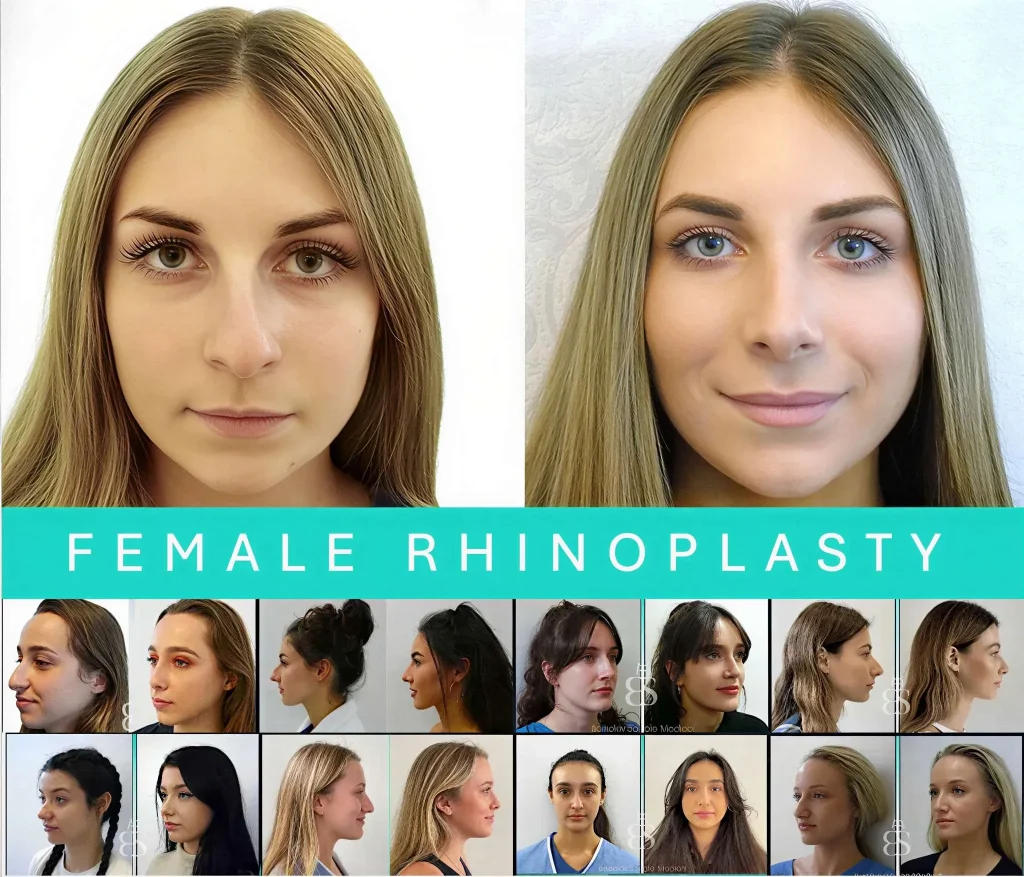
FEMALE ETHNIC REFINEMENT – The Refined Feminine Goal
|
|
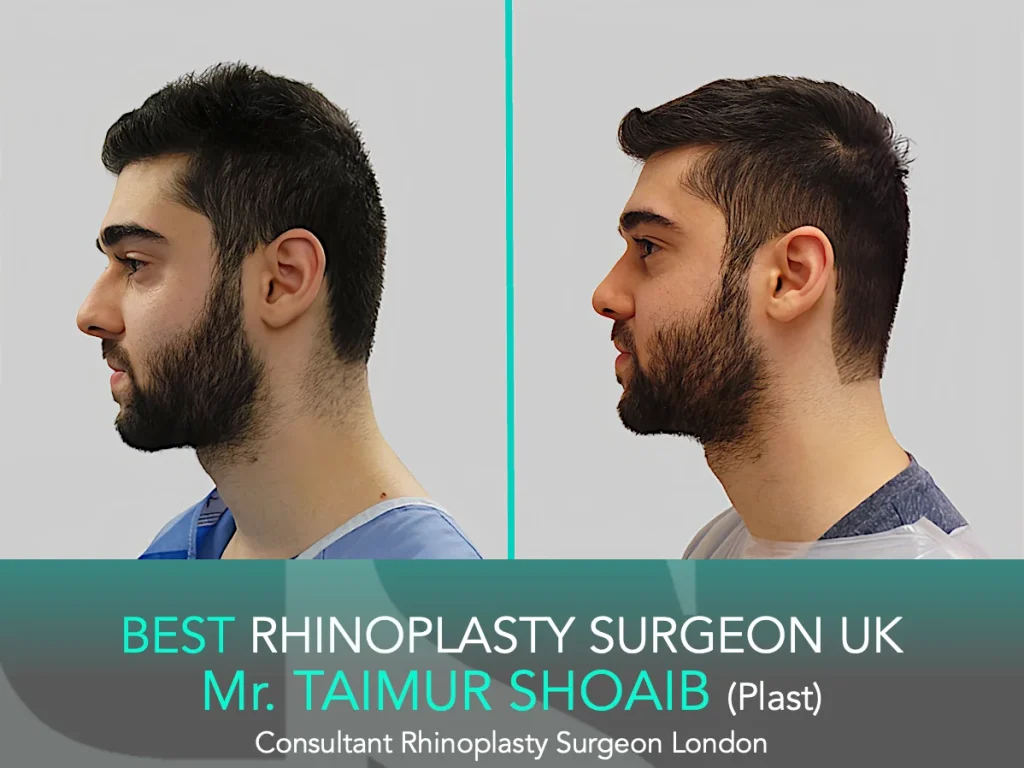
Goal: Definition and structural strength while preserving a strong masculine look. |
Goal: Soft definition and facial harmony for a delicate, elegant profile.
|
|
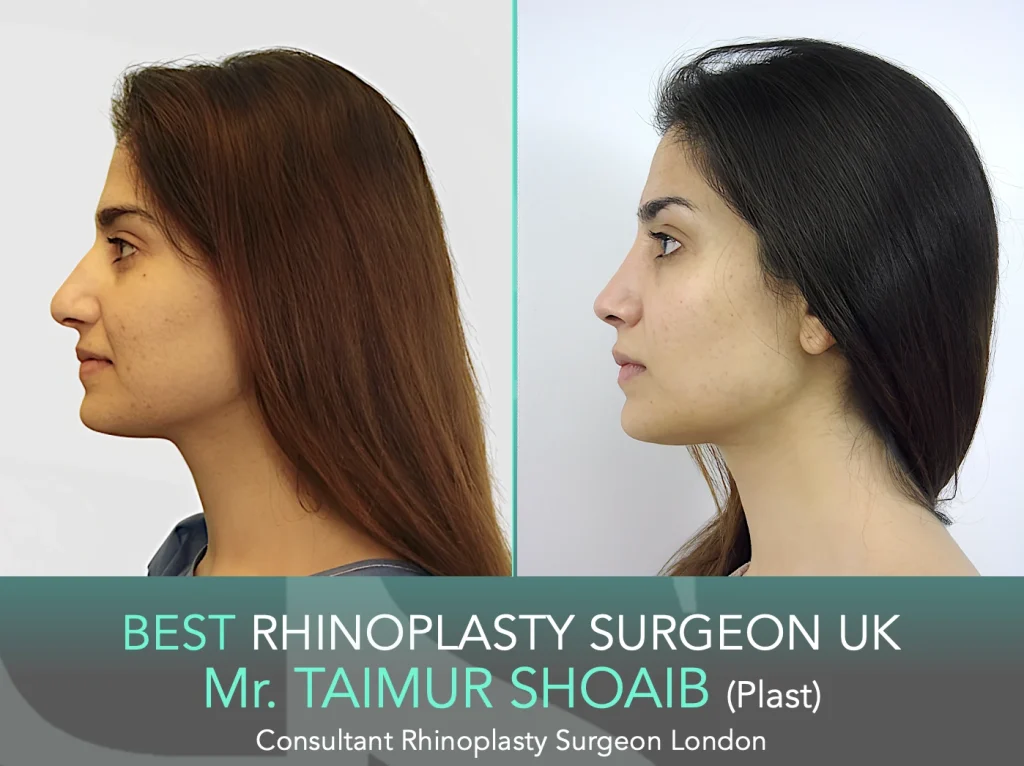
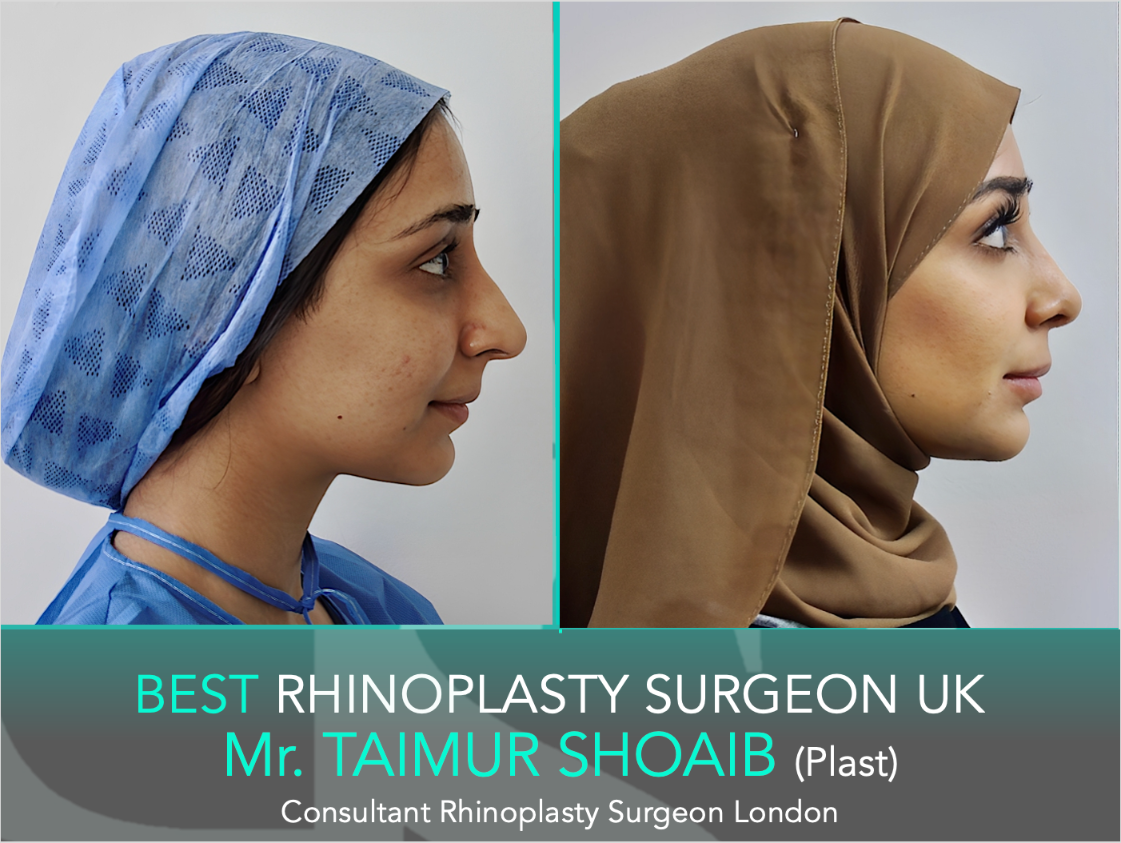
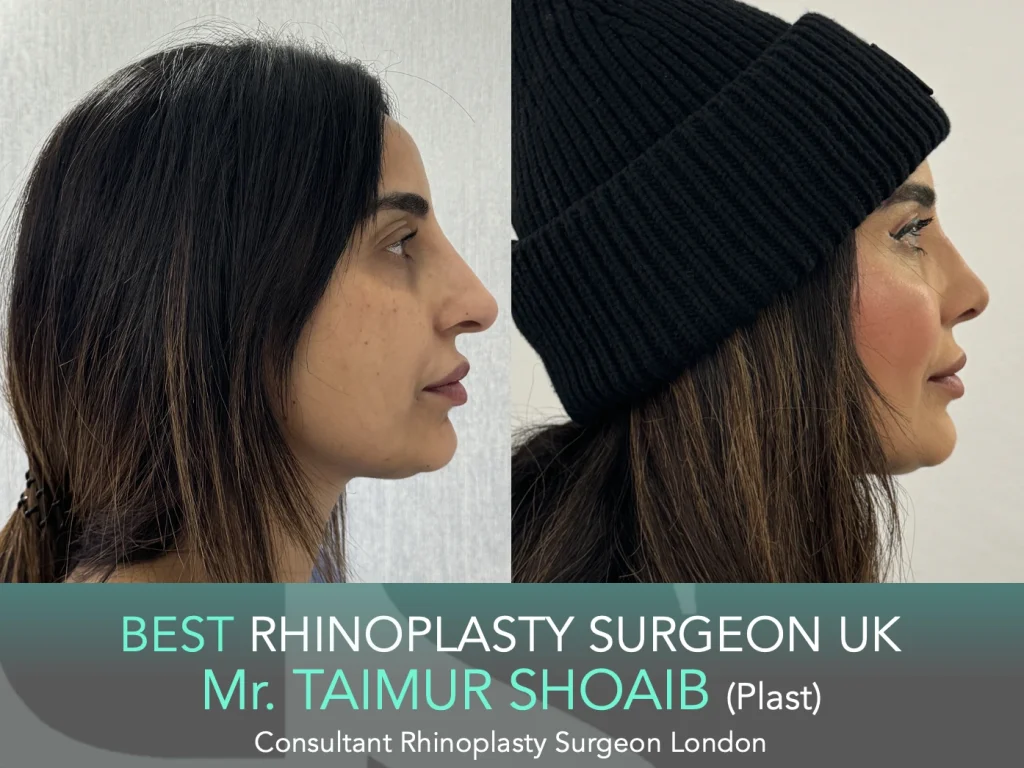
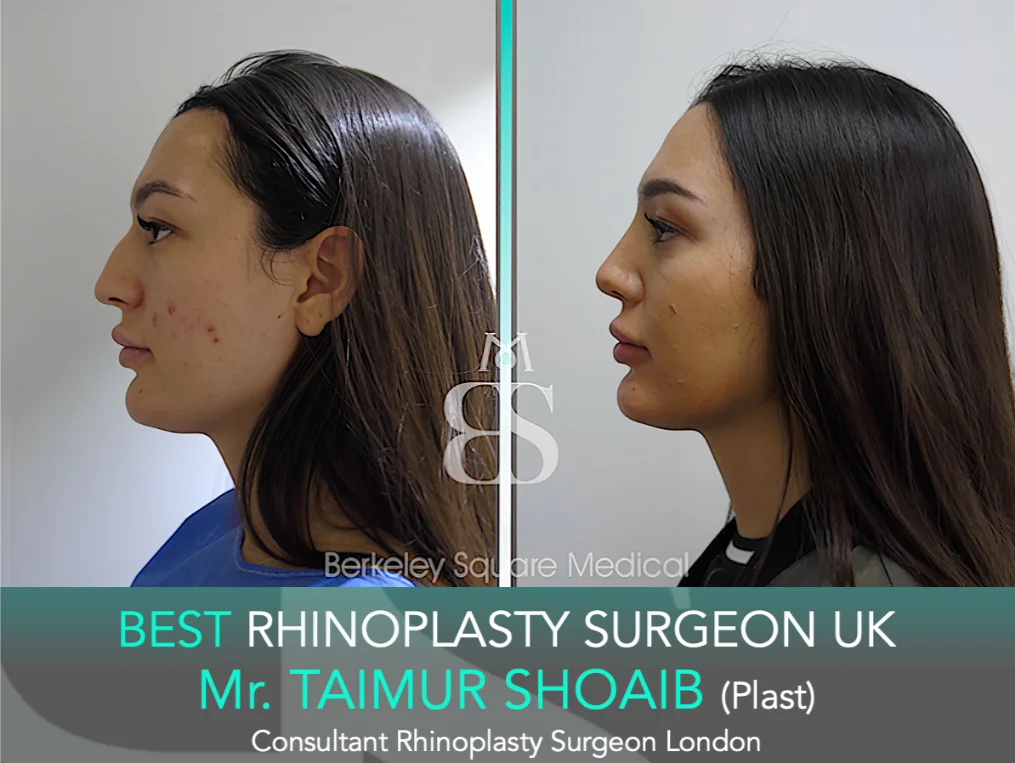
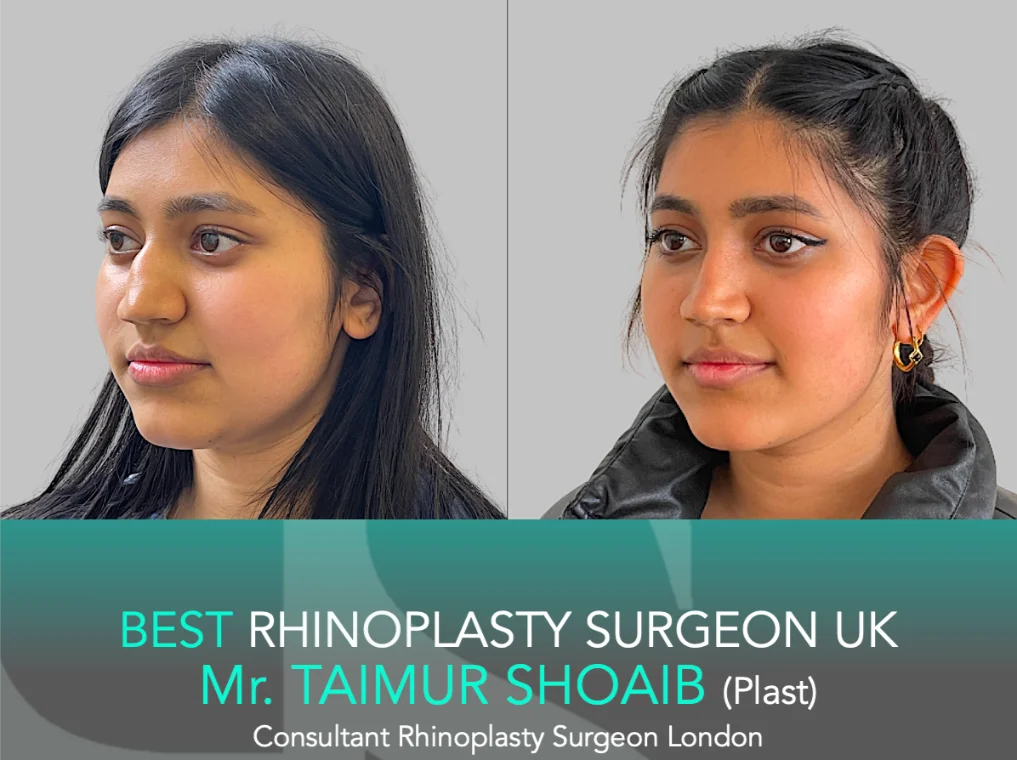
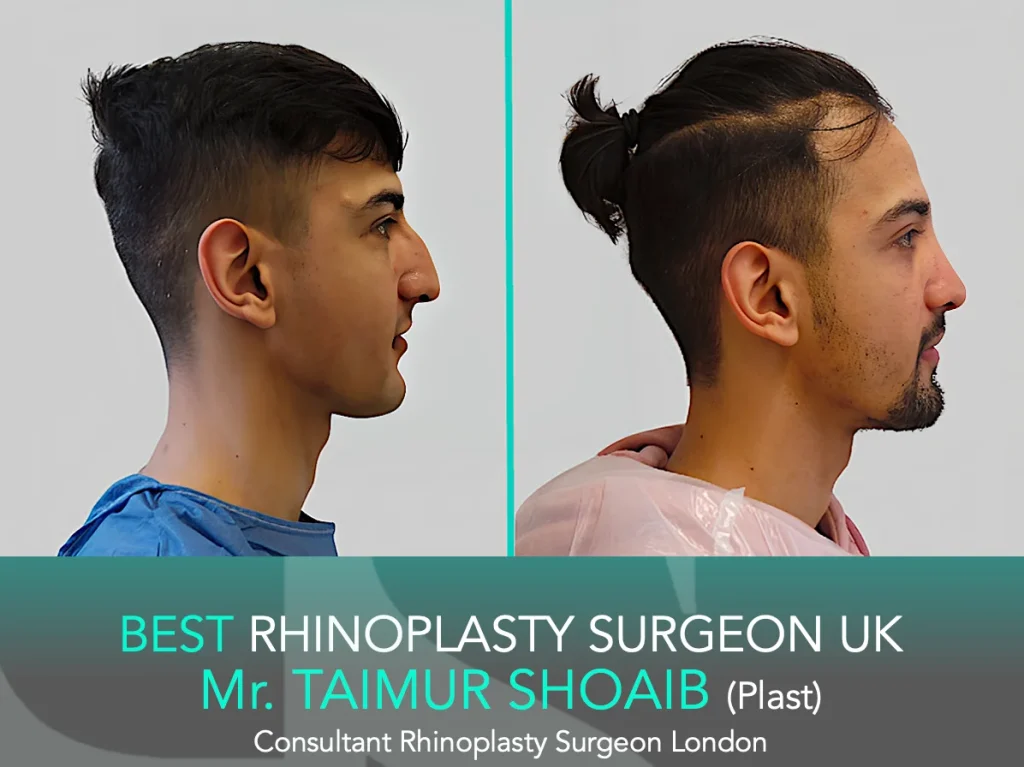
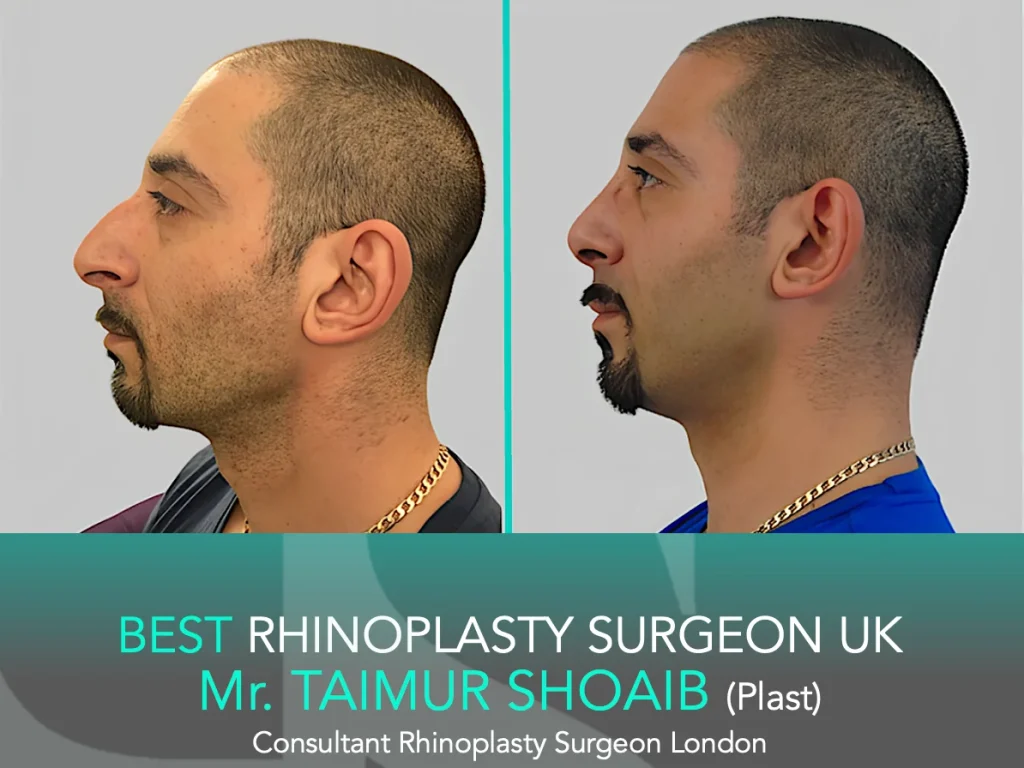
Tip Shape: Precision reduction of the bony dorsal hump for a straight, masculine line
|
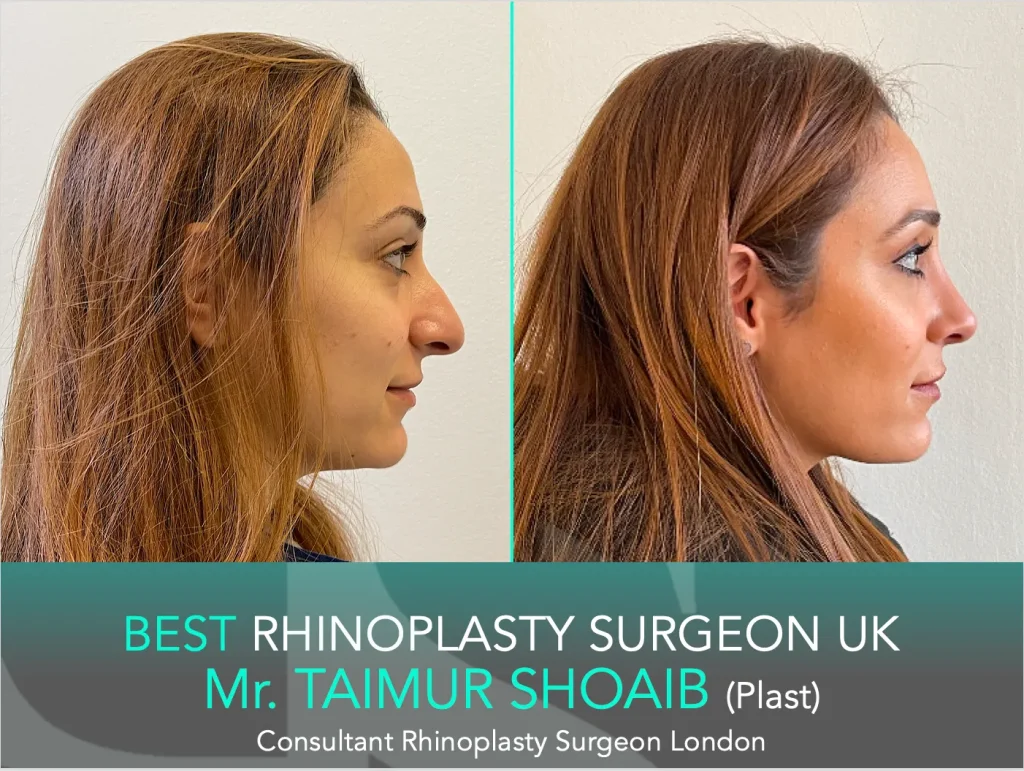
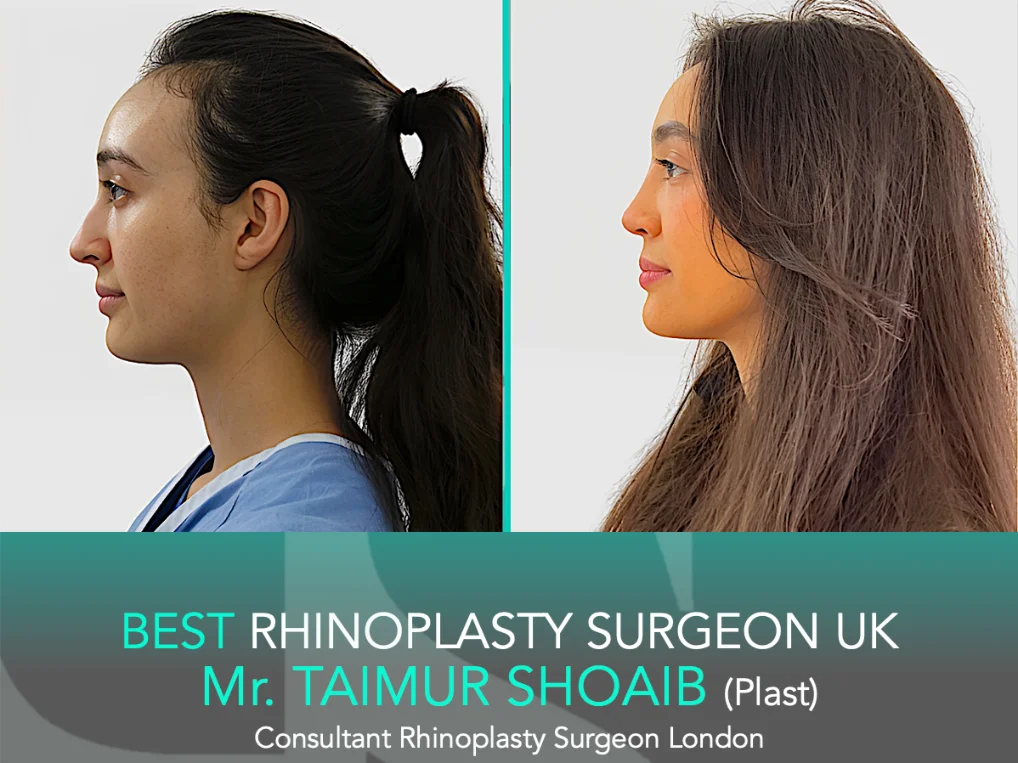
Tip Shape: Achieving a refined transition from brow to tip by smoothing the nasal bridge.
|
|
Projection Control: Reducing excess projection while maintaining an appropriate masculine balance
|
Projection Balance: Refining tip projection to create a natural, elegant profile.
|
|
Integrity: Focusing on cartilage thickness to reduce the risk of long-term distortion or drooping.
|
Facial Balance: Ensuring the tip complements the eyes, lips, and overall facial proportions.
|
Common Concerns:
In Ethnic Rhinoplasty
A clinical evaluation of skin thickness, bridge structure, and surgical definition.
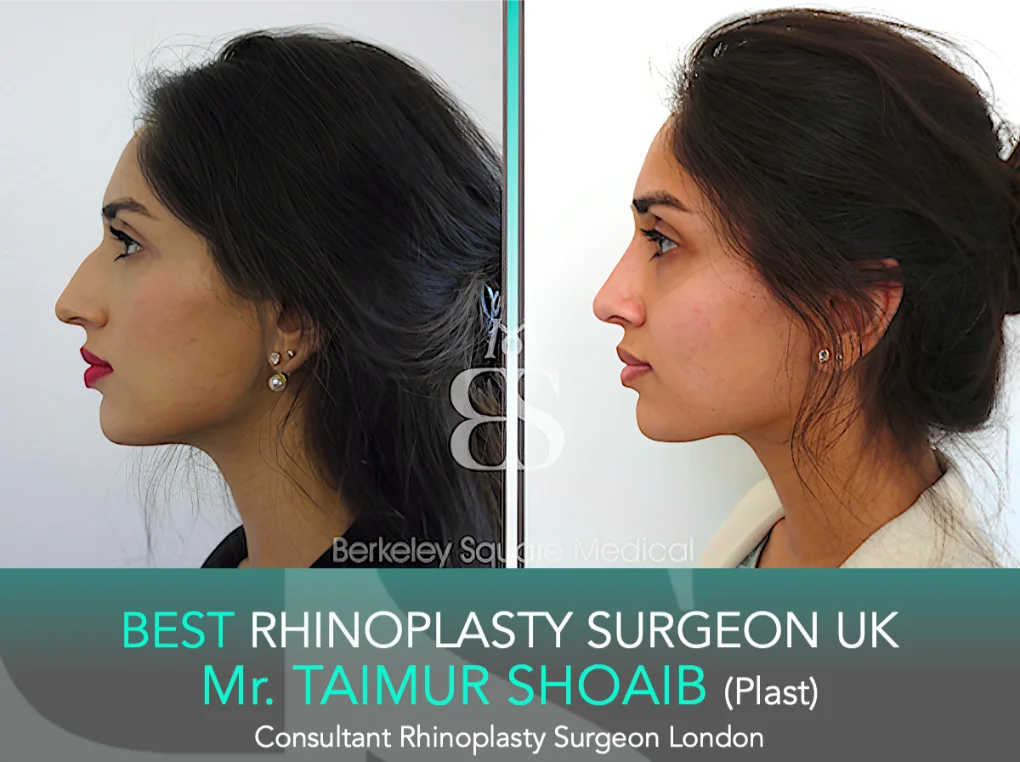
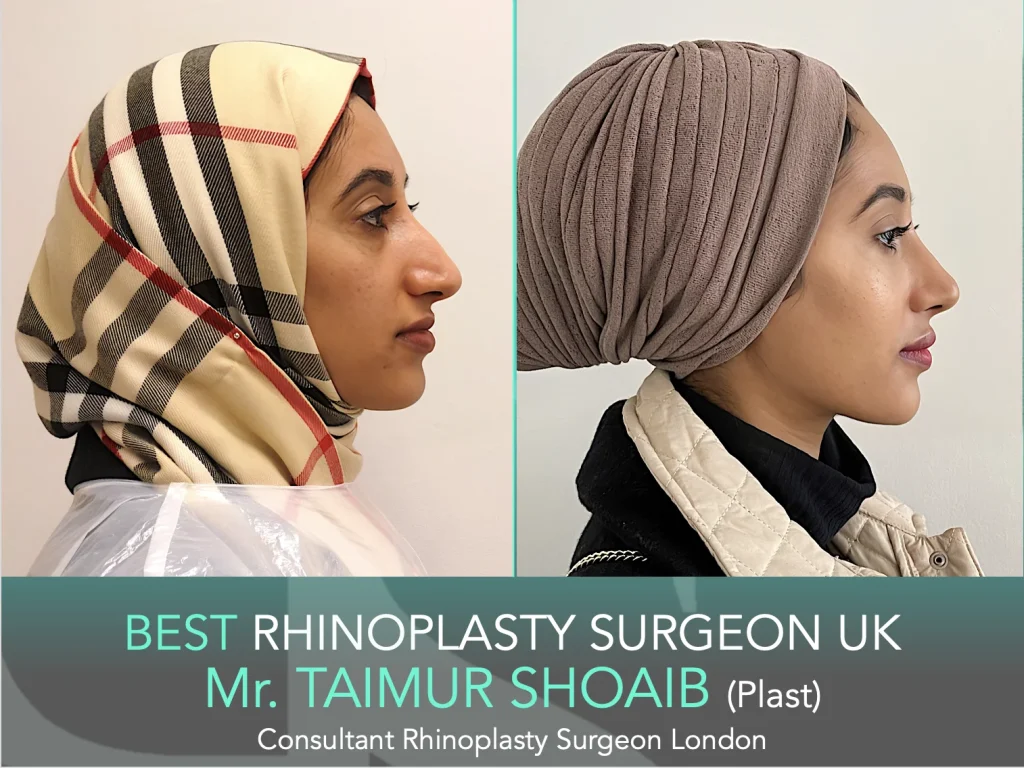
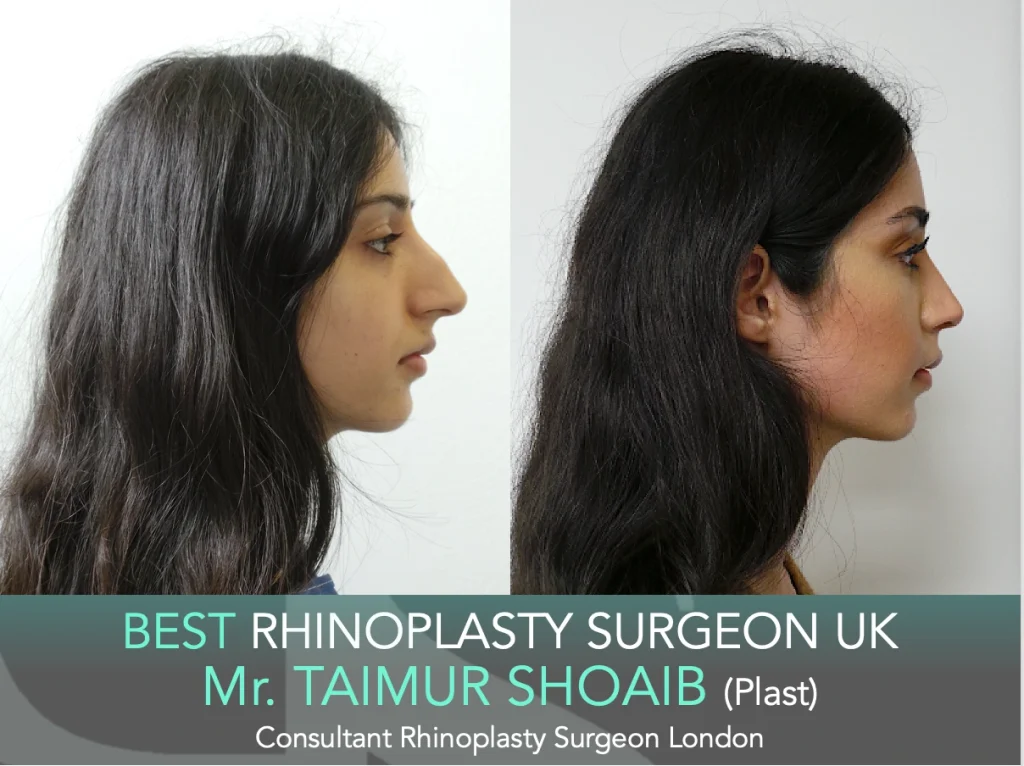
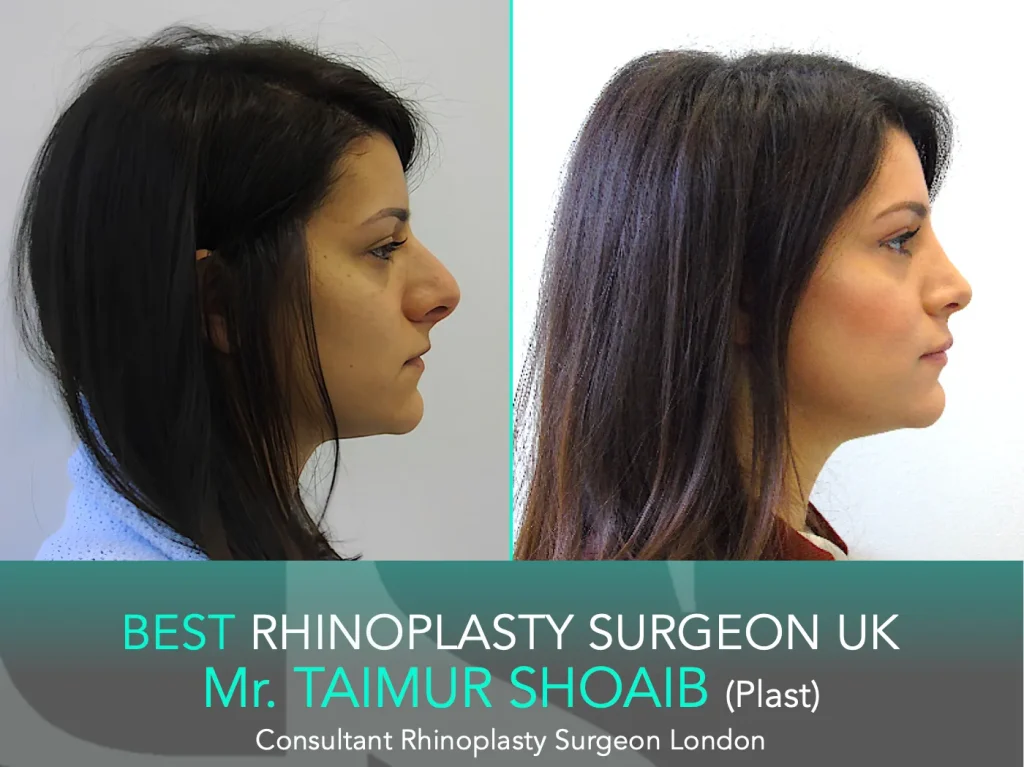
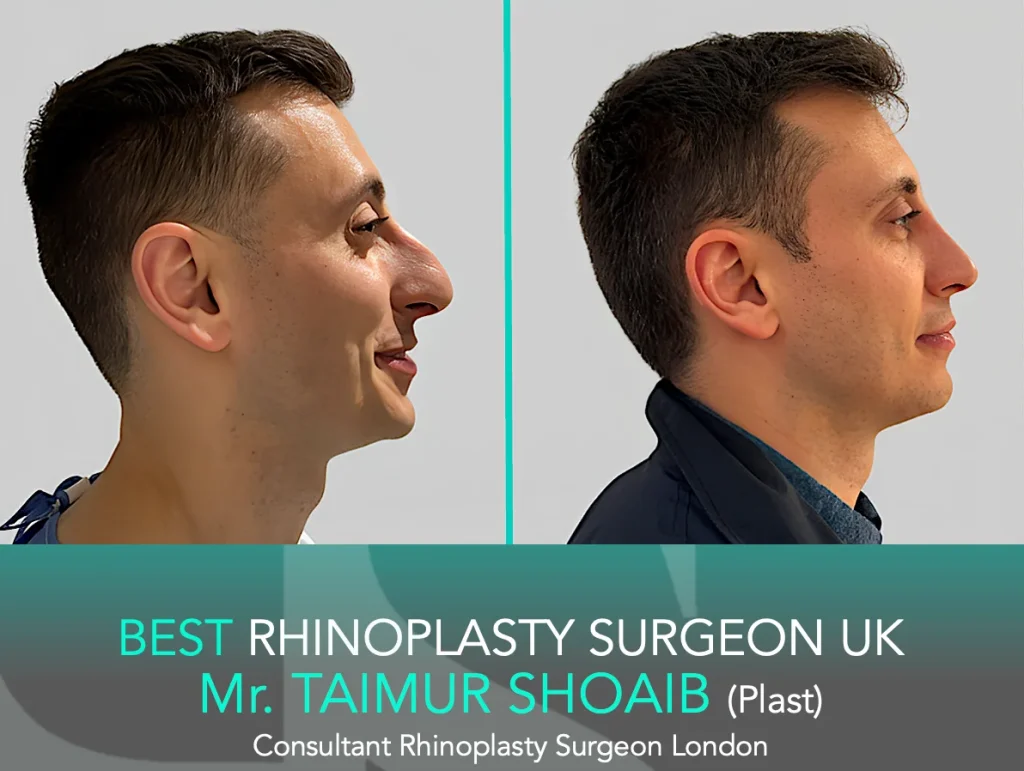
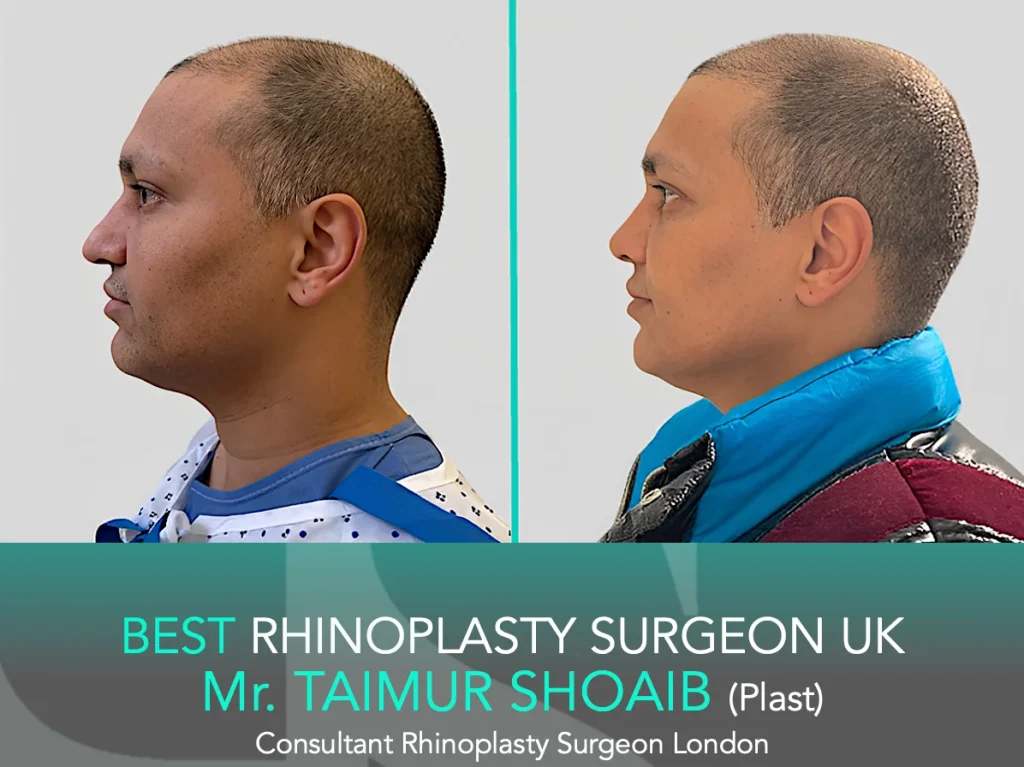
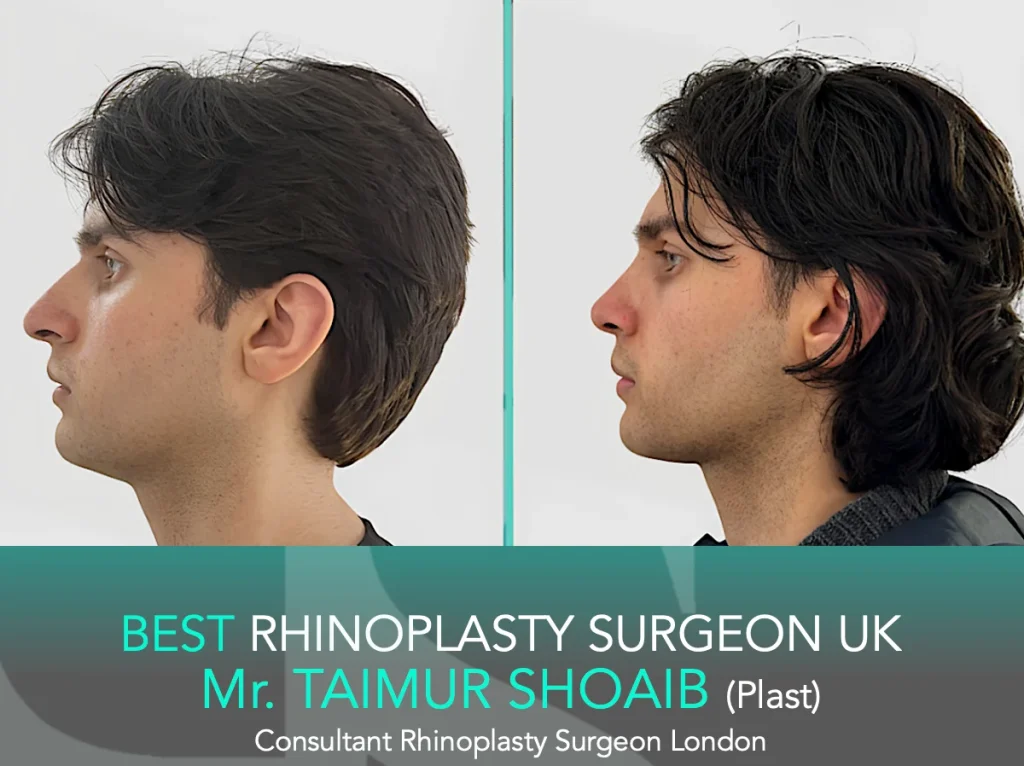
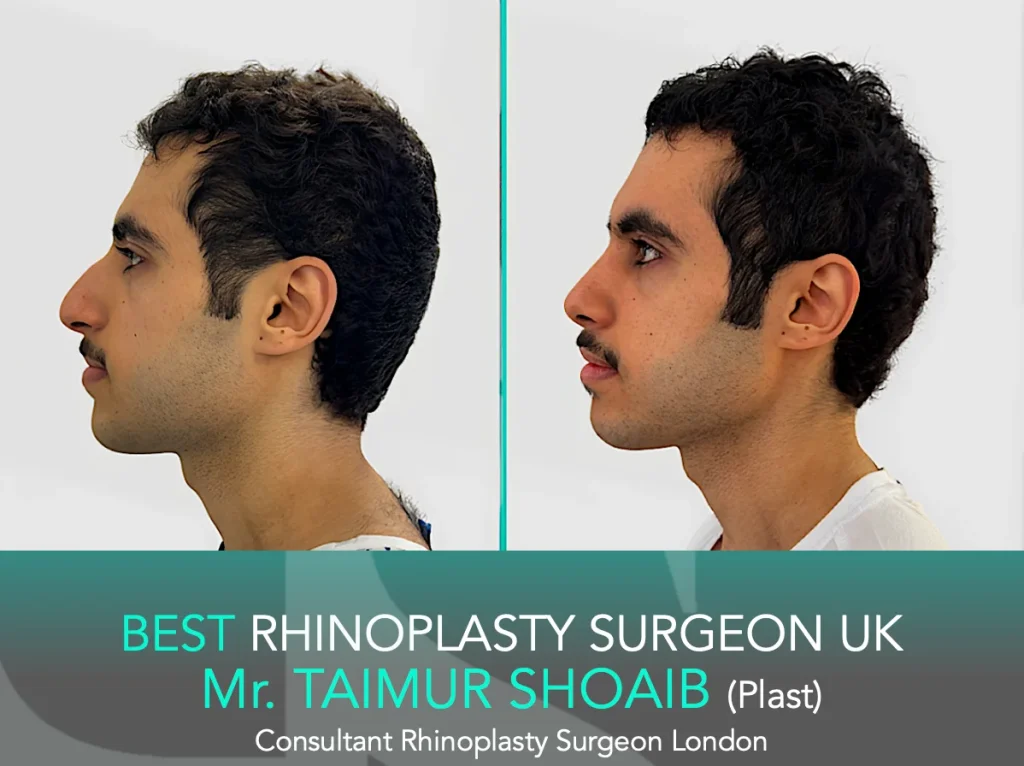
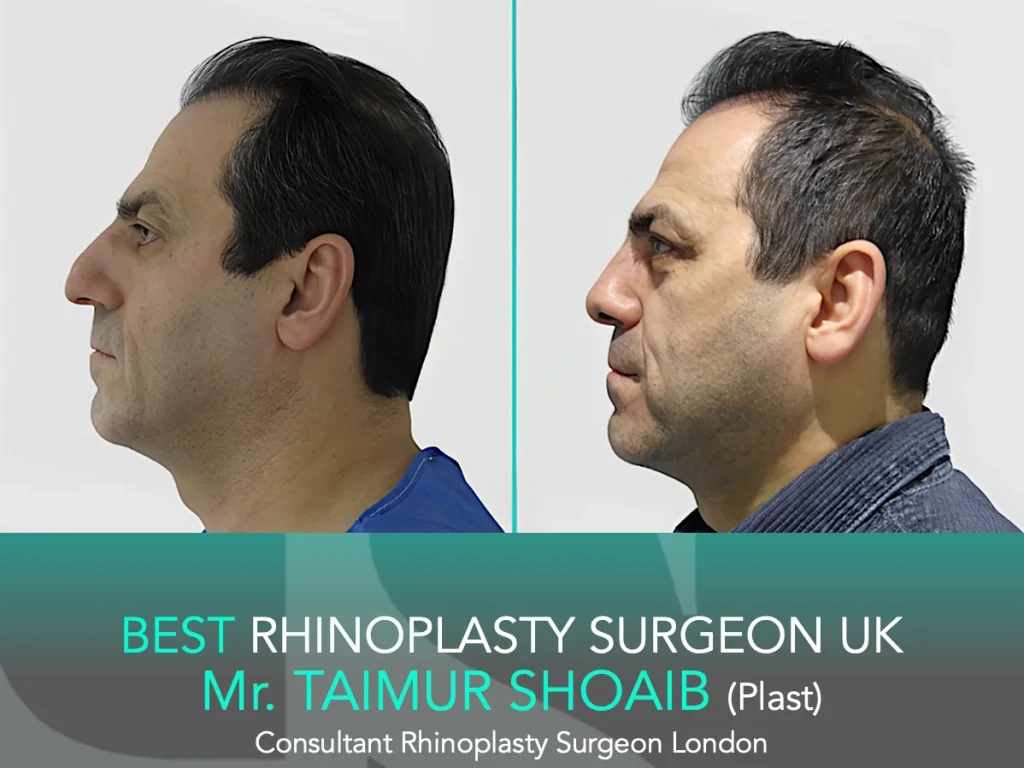
A Prominent Nasal Bridge
↓
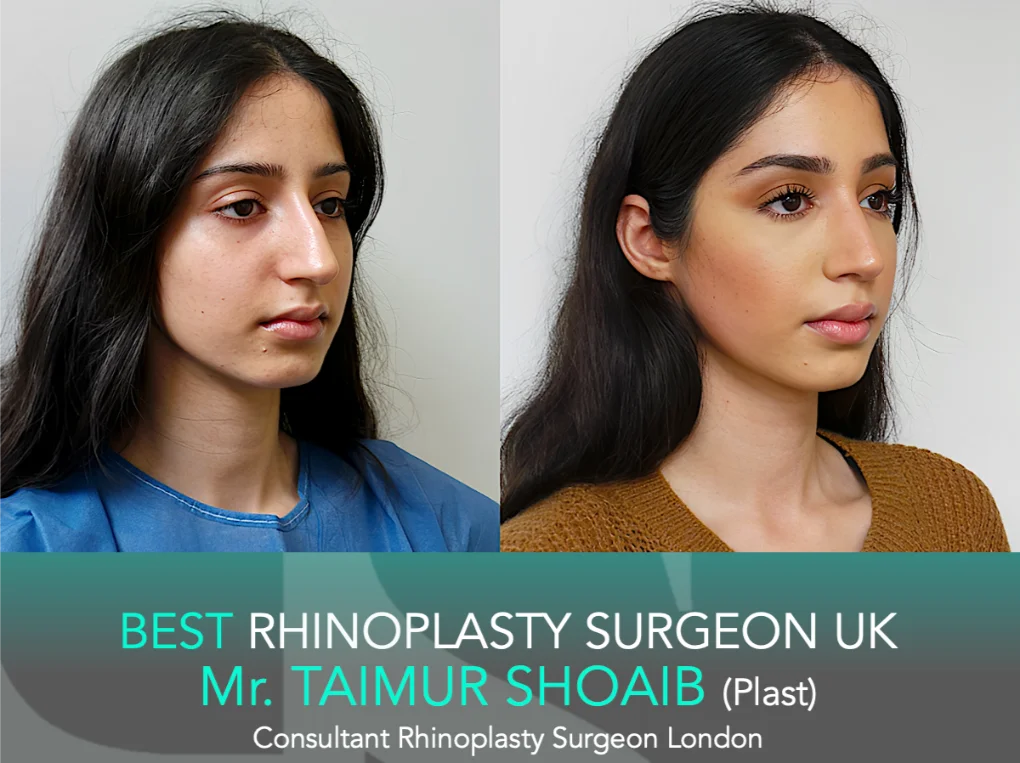
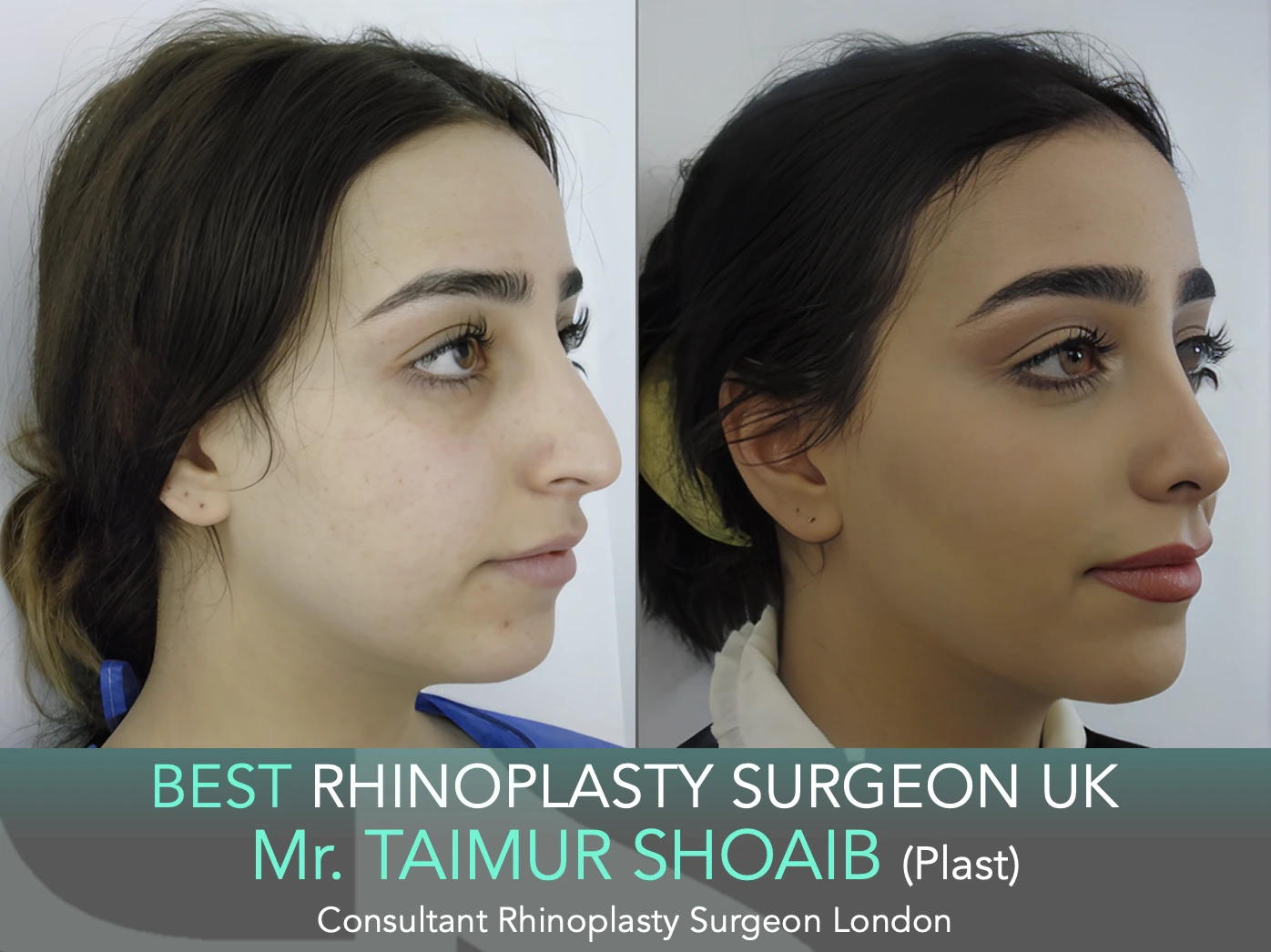
A prominent bony hump is a primary concern for many ethnic patients. We utilise specialised techniques to lower the bridge height while maintaining a straight, natural dorsal line that fits the ethnic facial profile.
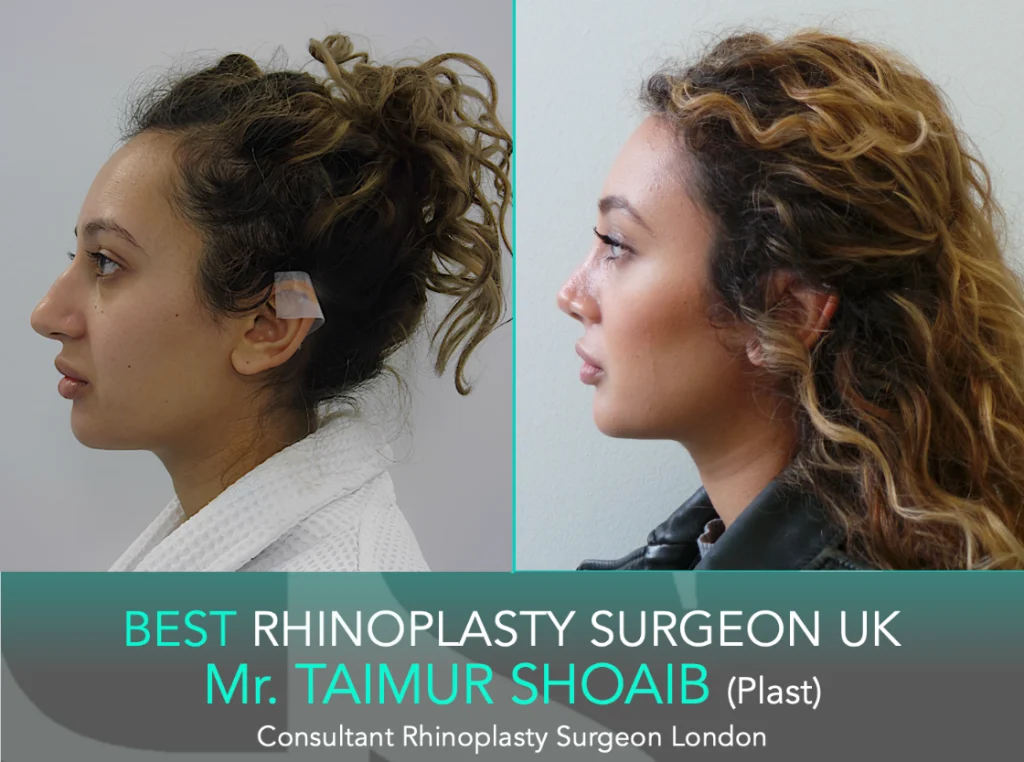
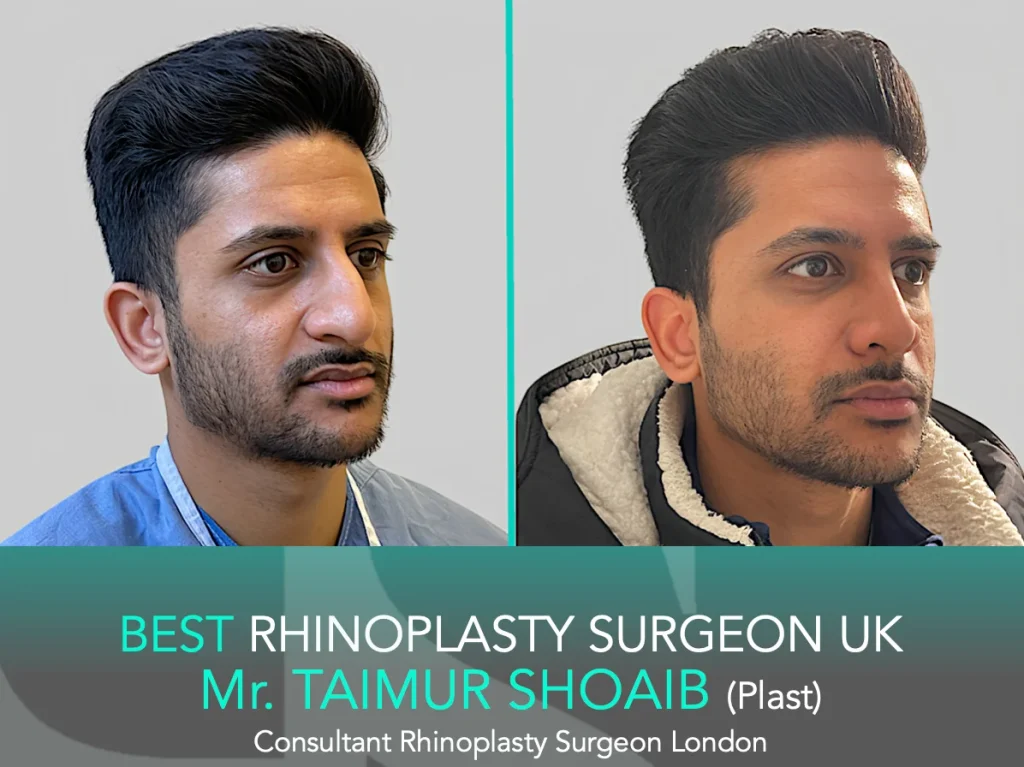
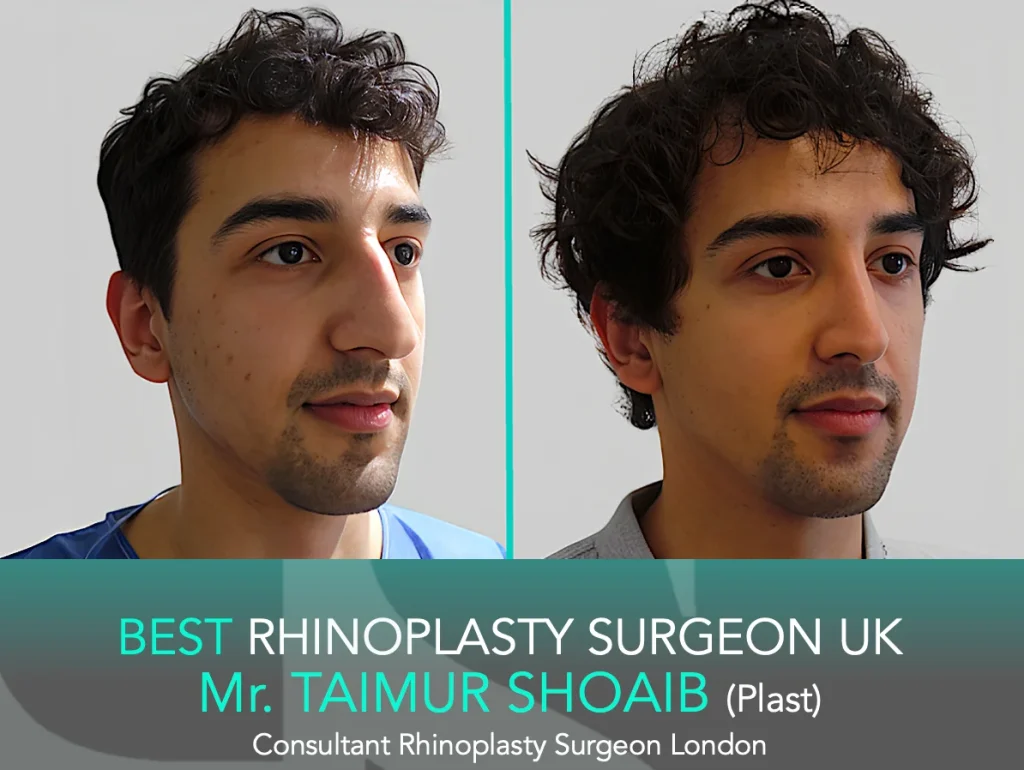
Drooping Nasal Tip (Ptotic Tip)
↓
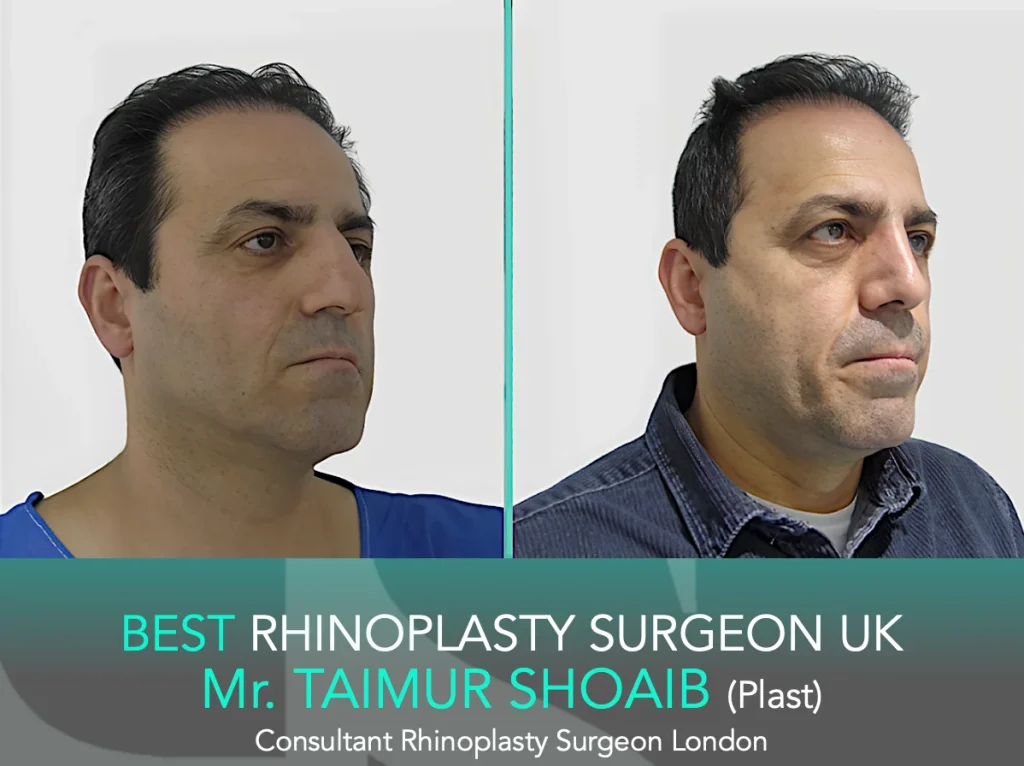
A drooping nasal tip is a frequent concern in Ethnic Rhinoplasty. It is most noticeable on side profile and can make the face appear longer or older. Front facing, this can often appear that the tip is too close to the upper lip. Smiling and laughing can often pull the tip further down.
Managing Thick Skin Envelope
↓
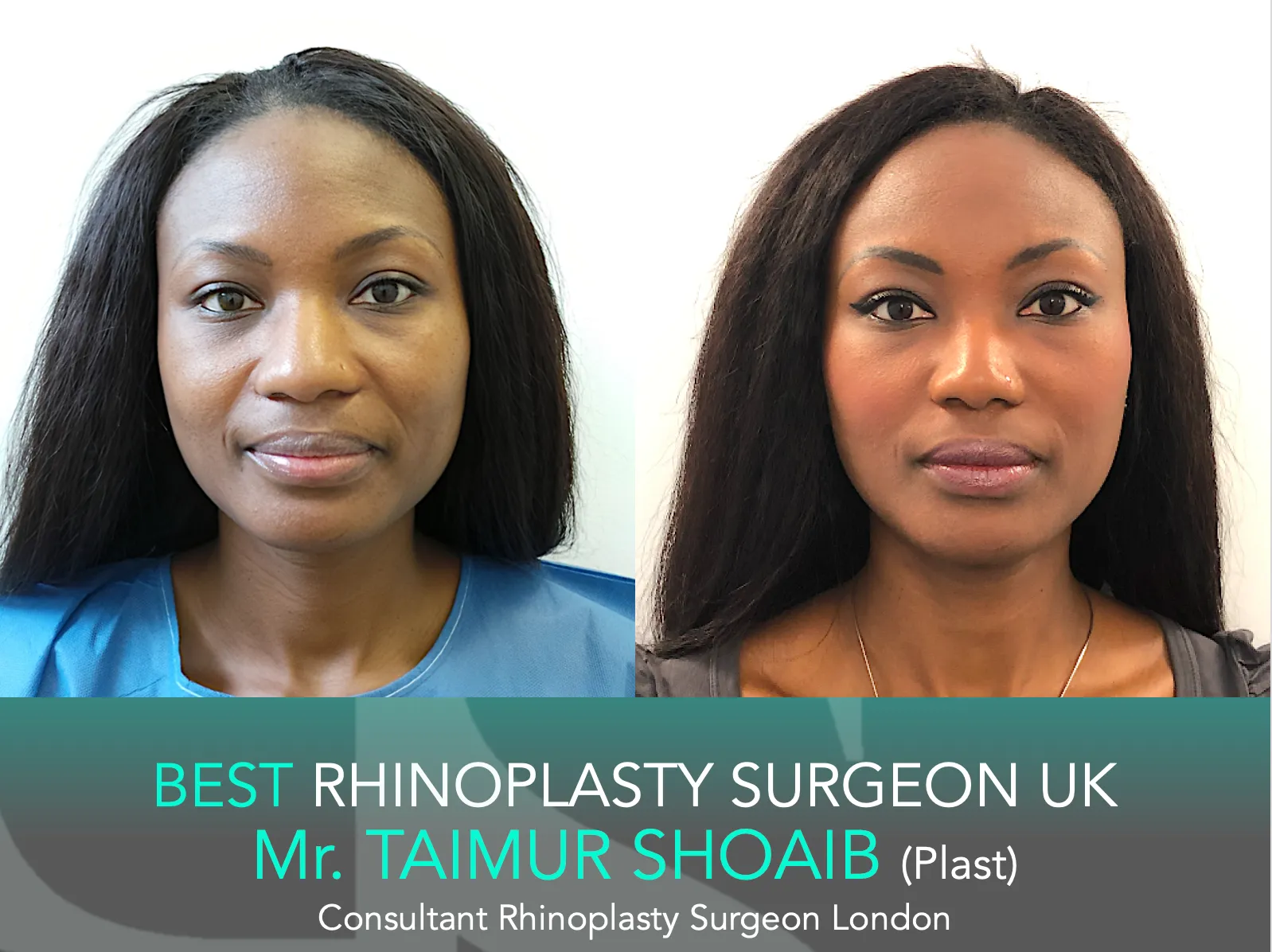
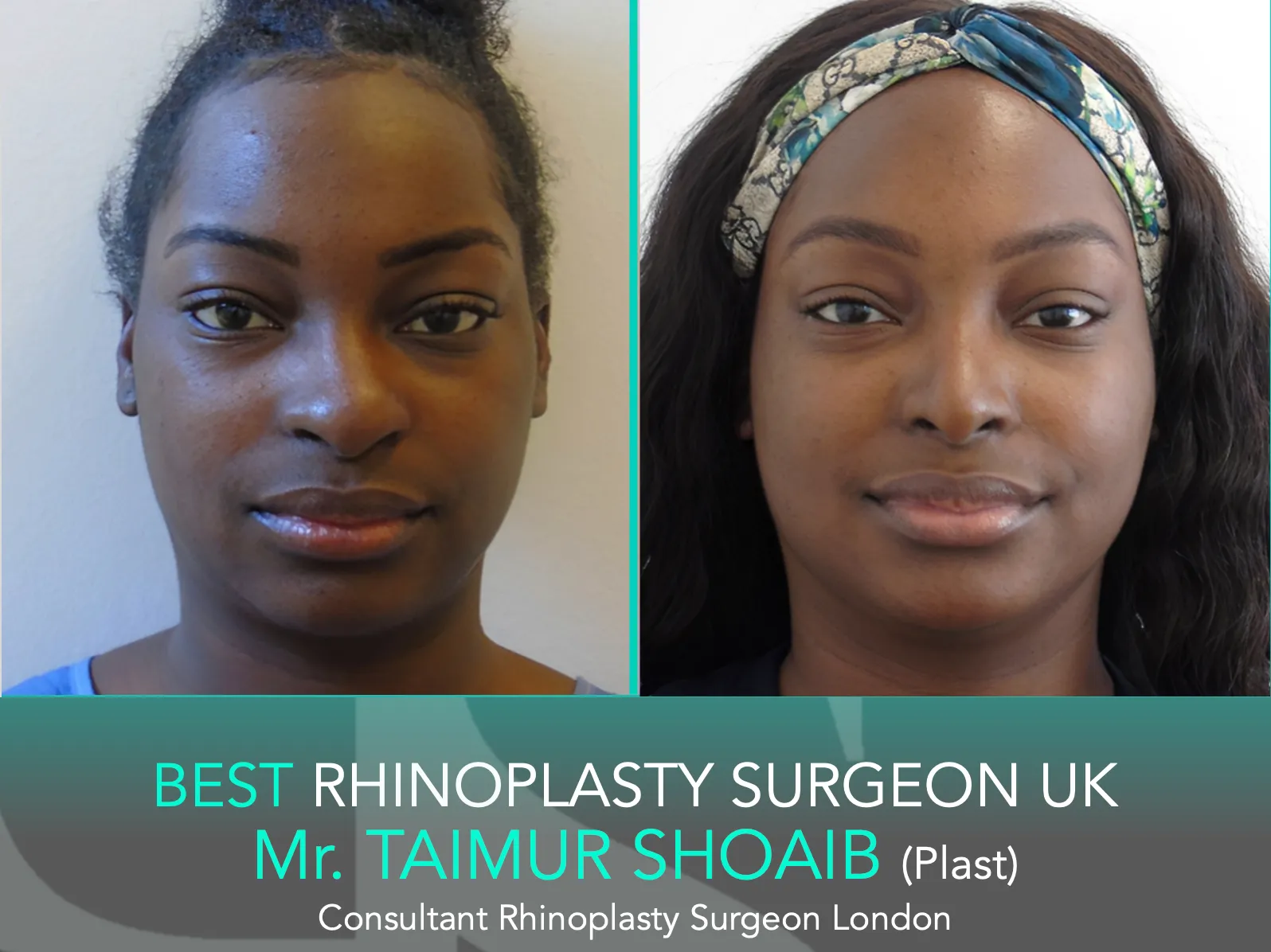
skin thickness varies from person to person, and thicker skin holds more swelling, particularly at the tip. We utilise advanced structural grafting to create a "refined" underlying framework, ensuring the refined shape of the cartilage is visible through the thicker skin.
Cultural & Heritage Factors
↓
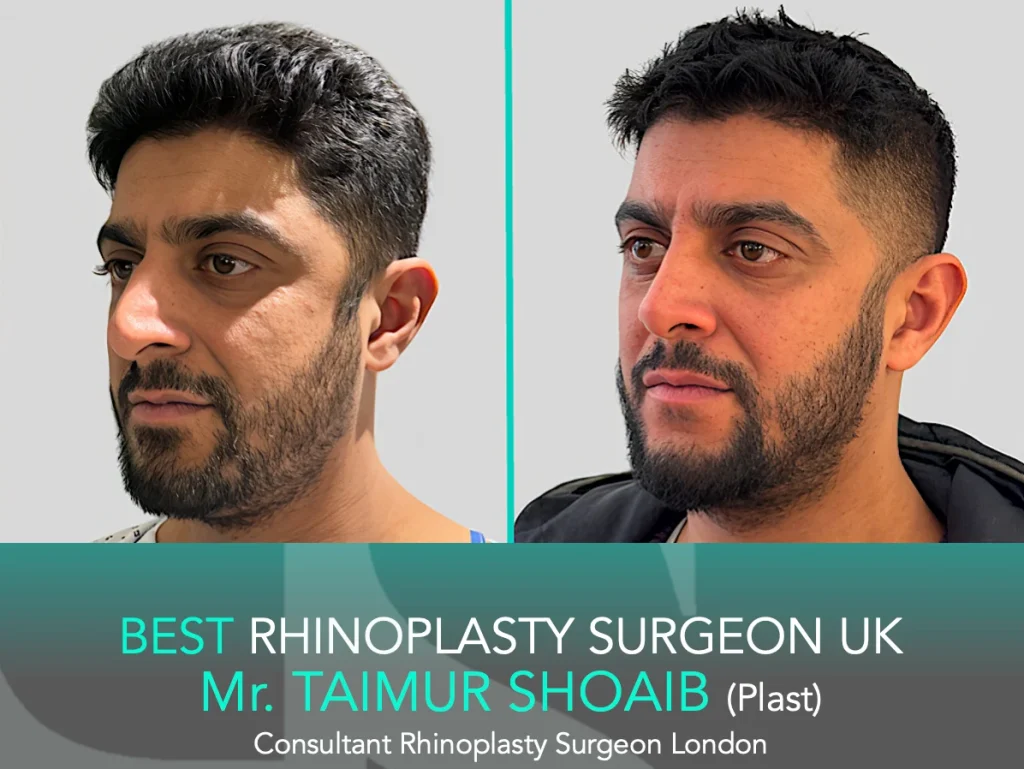
A key clinical priority in ethnic rhinoplasty is addressing both the physical and cultural concerns specific to ethnic patients. Many patients express a significant "Westernised" fear, seeking sophisticated refinement rather than a completely different identity. Consequently, the focus is on preserving your character, addressing only the specific concerns you raise, while keeping your nose in harmony with the rest of your face. To ensure a successful long-term result, functional correction is integrated where required to preserve or improve breathing function. Finally, a major aesthetic objective is avoiding over-rotation, specifically ensuring that the result does not have an overly lifted appearance and always maintains natural proportions and a balanced distance between the nasal tip and the upper lip.
Ethnic Nose Types: What Rhinoplasty Considers for Each Heritage
Every heritage brings its own nasal characteristics, and there is wide variation within each group too. Mr Shoaib plans each operation around your individual anatomy and your own goals, never a single template. Below is an overview of the considerations that commonly come up.
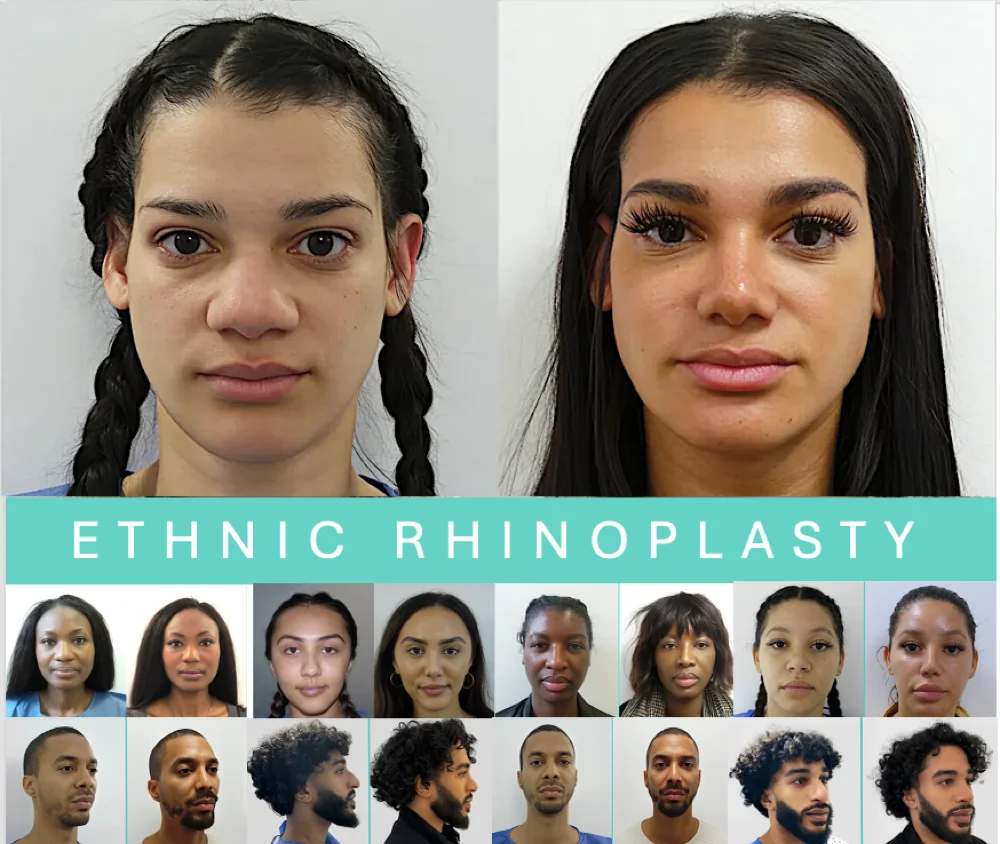
African & Caribbean Noses
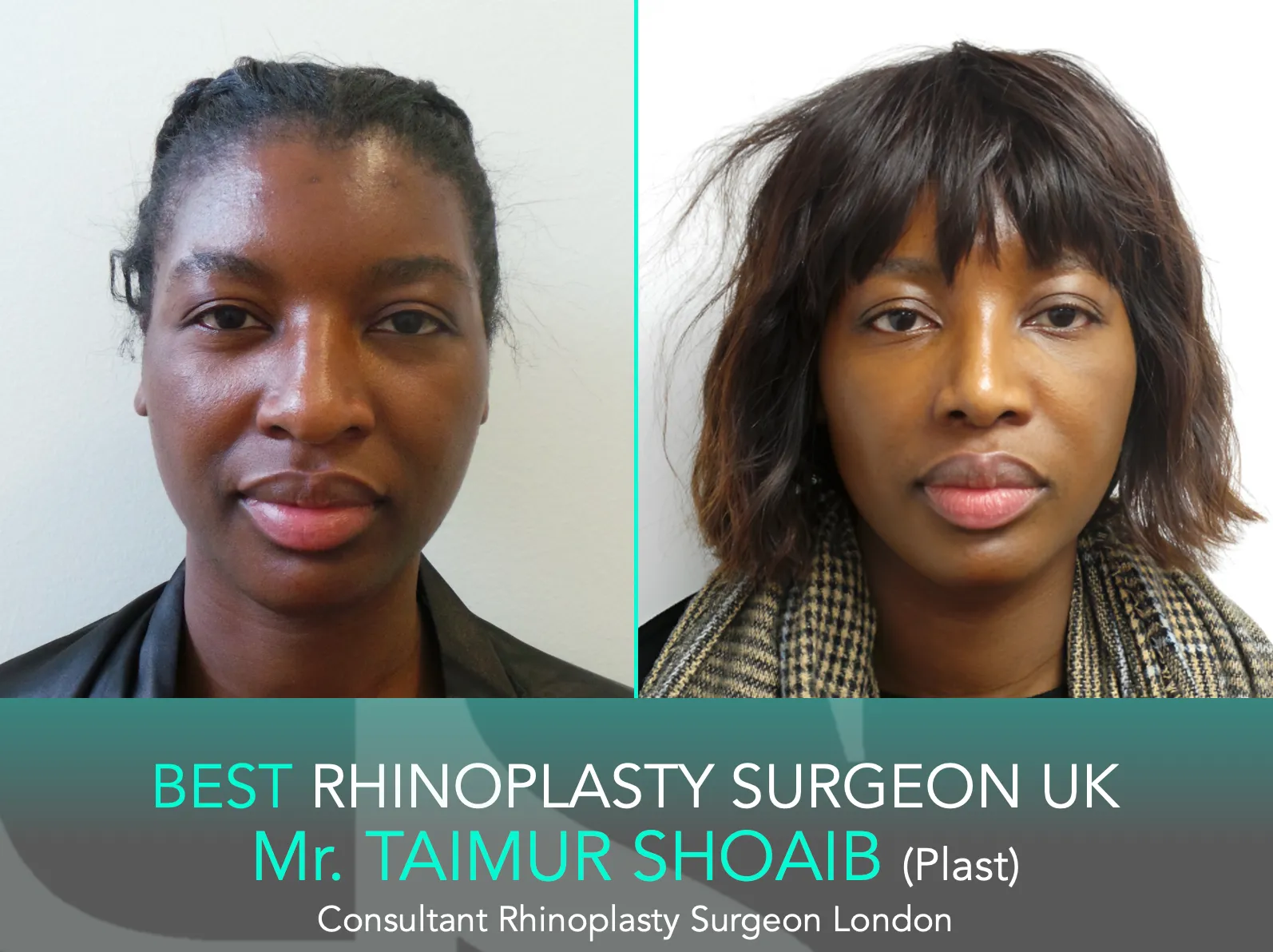
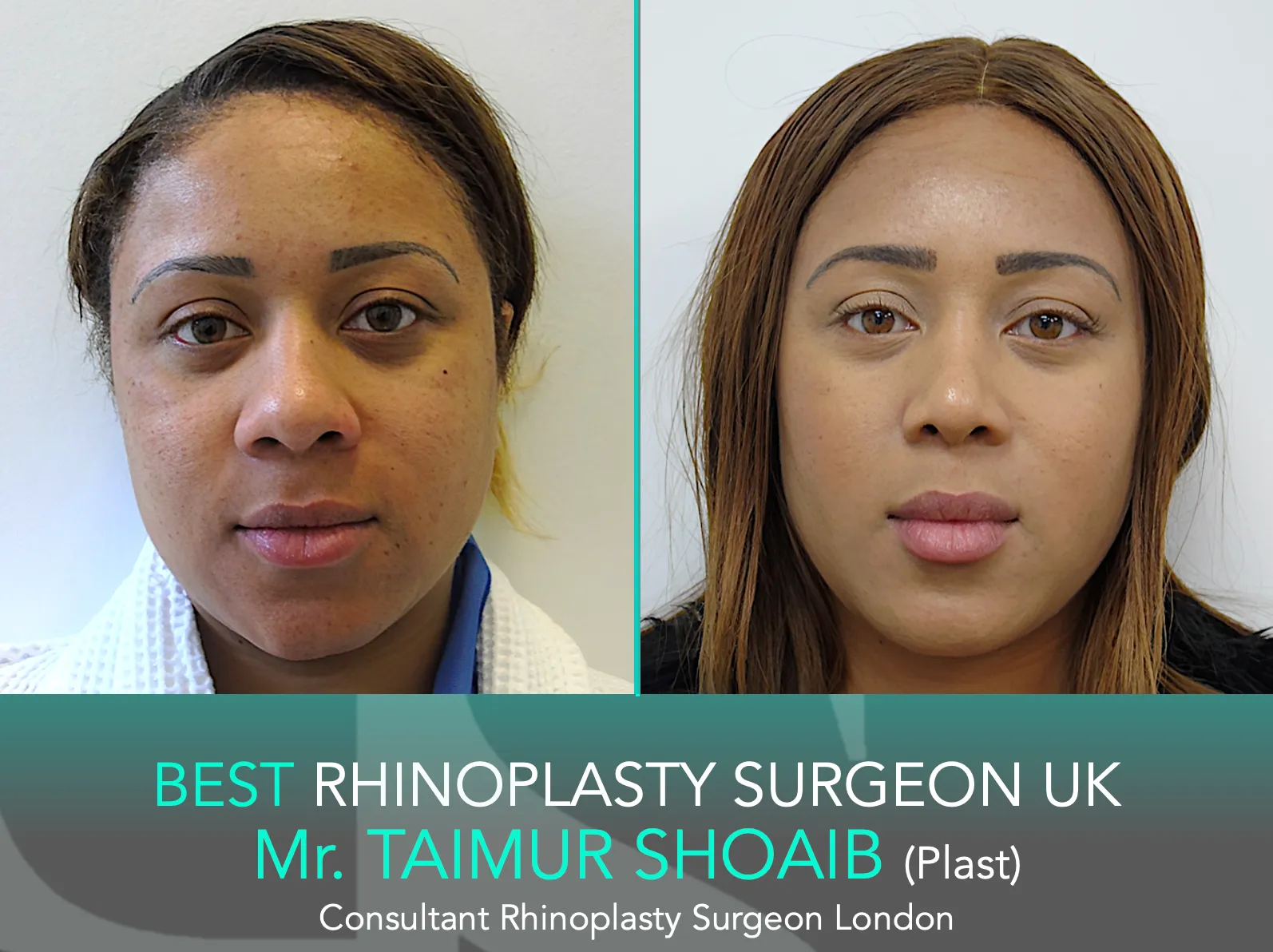
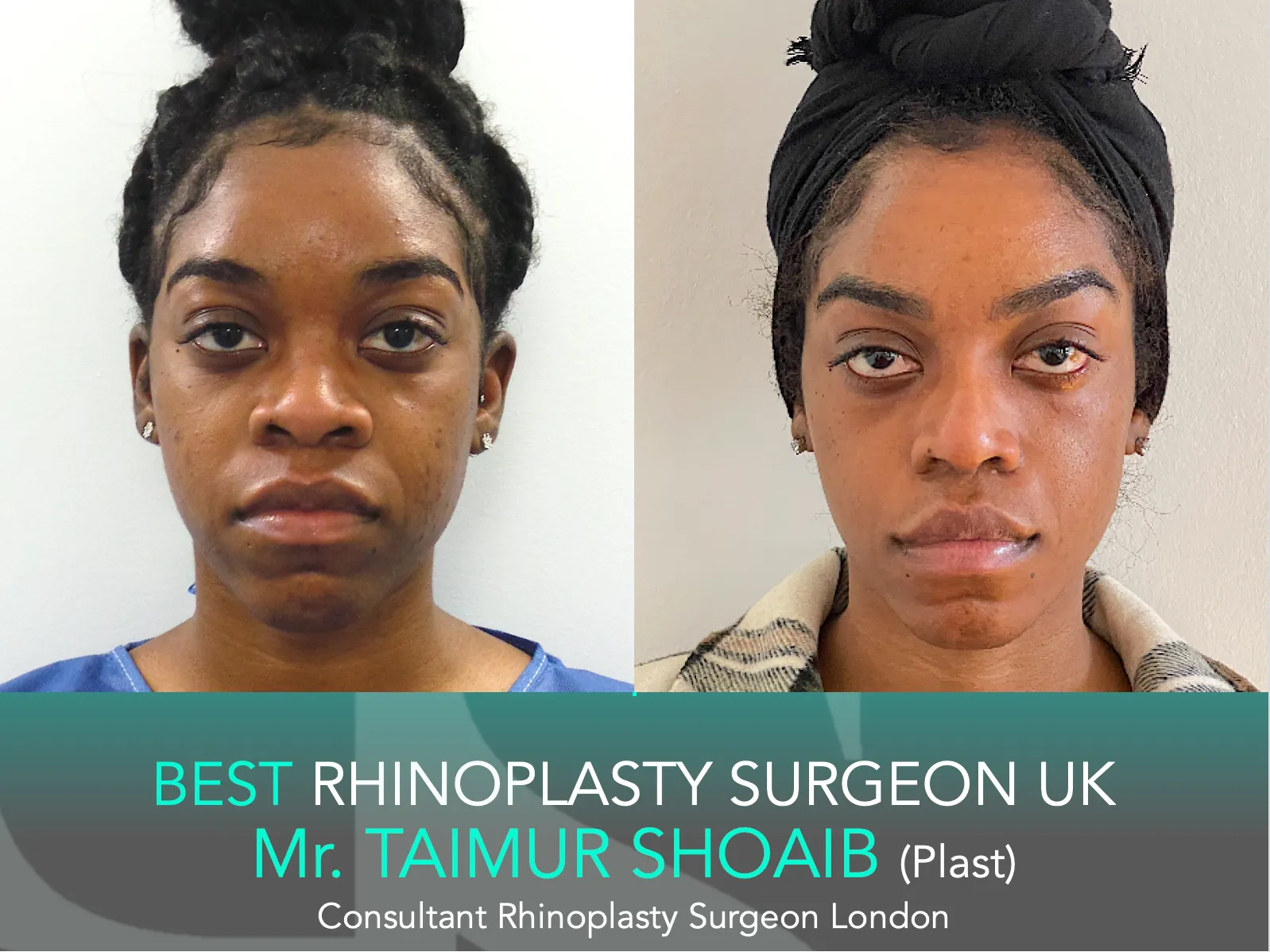
African and Caribbean noses often have a lower, softer bridge, a wider nasal base and a thicker skin envelope. Where a patient wishes to add height or definition, this is usually achieved by building structural support with cartilage grafts, not by removing tissue. Nostril width is a natural, characteristic feature and is only ever adjusted if you specifically ask about it (see wide nose rhinoplasty). Read more on rhinoplasty for Black, African and Caribbean patients.
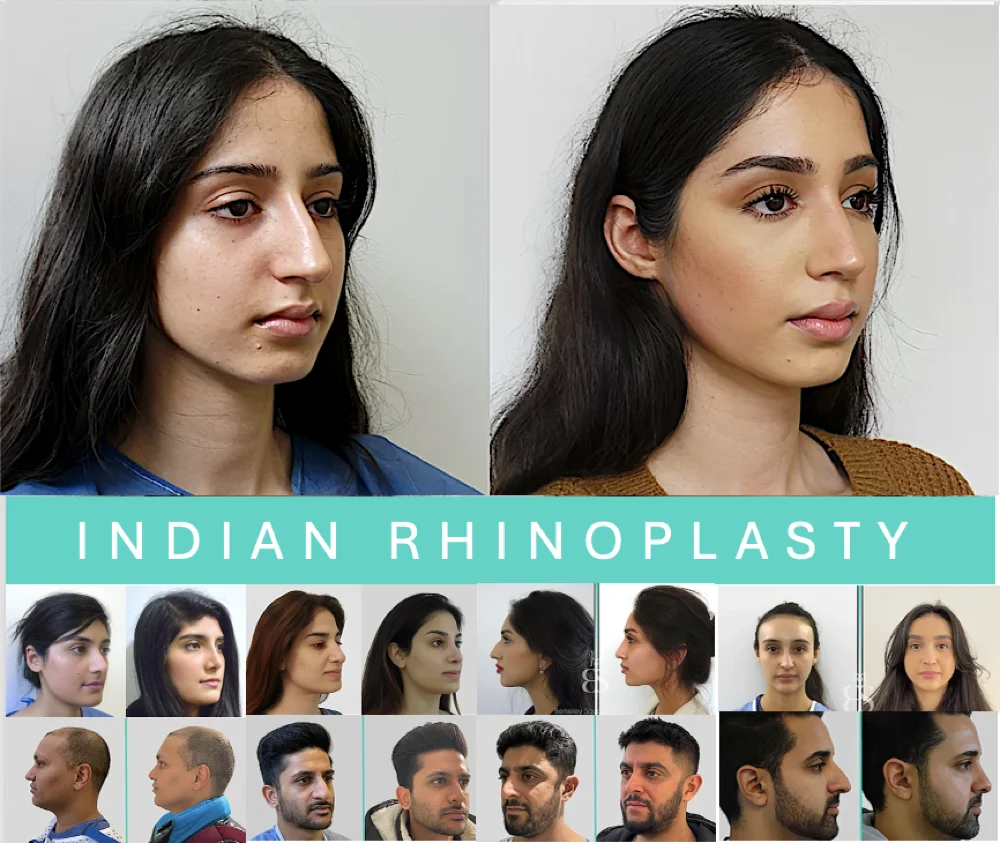
South Asian (Indian & Pakistani) Noses
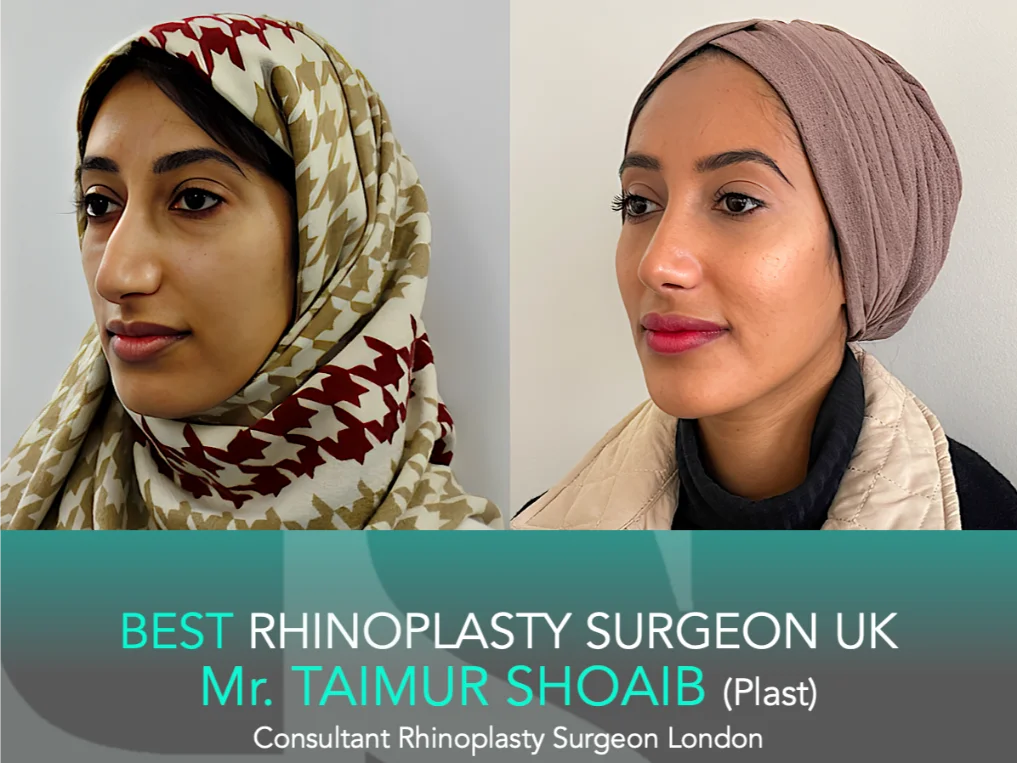
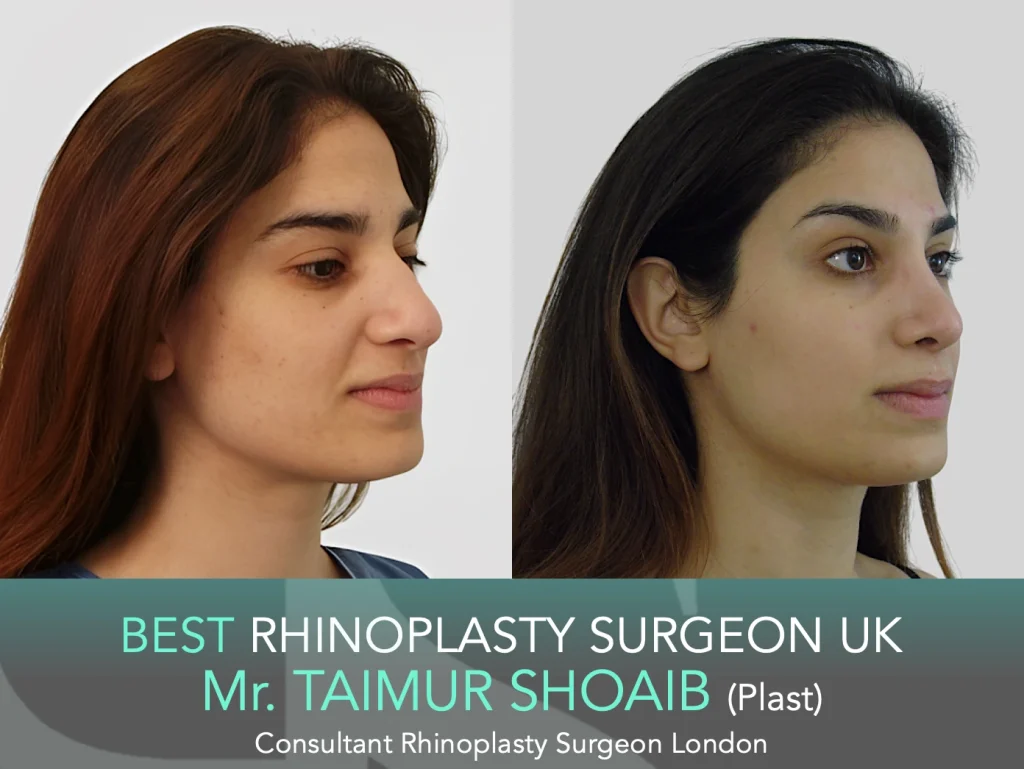
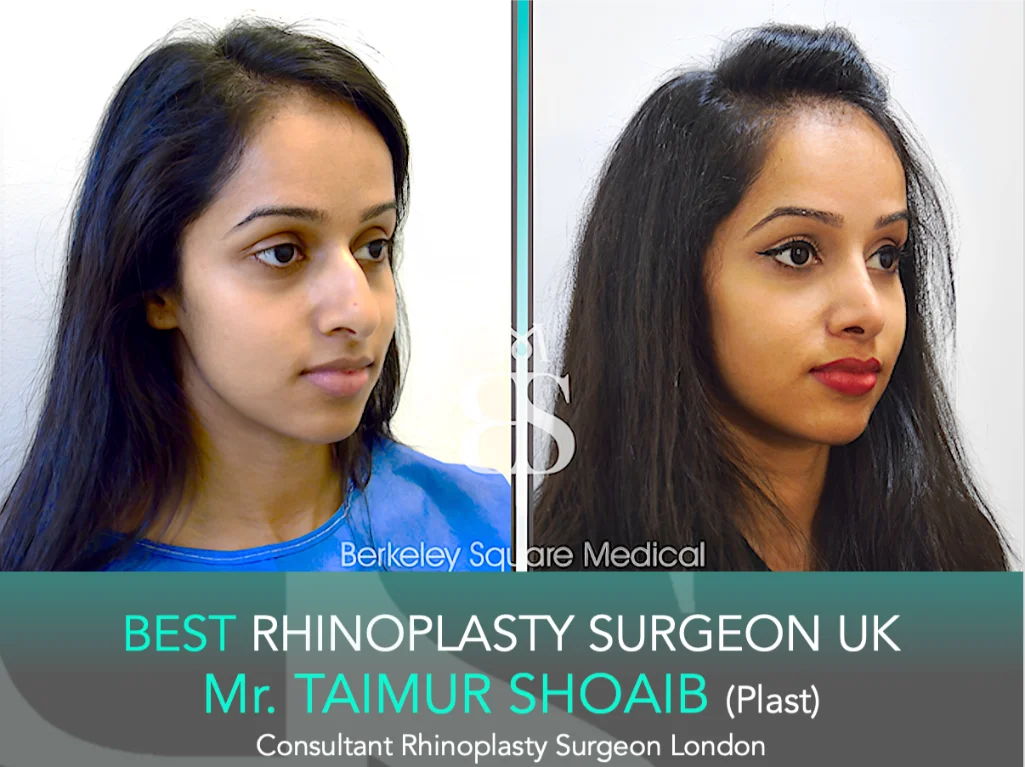
South Asian noses commonly feature a bridge prominence from a lower starting point and a tip that patients often want better defined; the skin can be medium to thicker. The aim is a balanced, natural profile that still reads as your own, never a generic reduced bridge. Read more on Indian, Pakistani and Asian rhinoplasty in London.
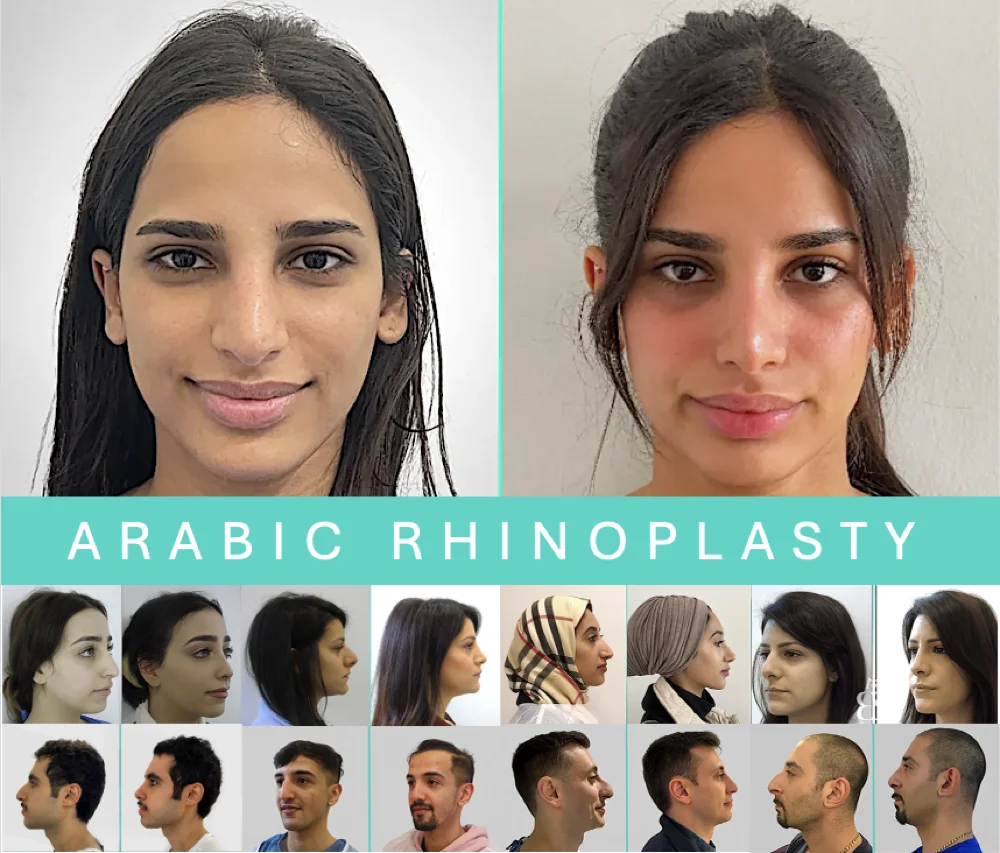
Middle Eastern & Arabic Noses
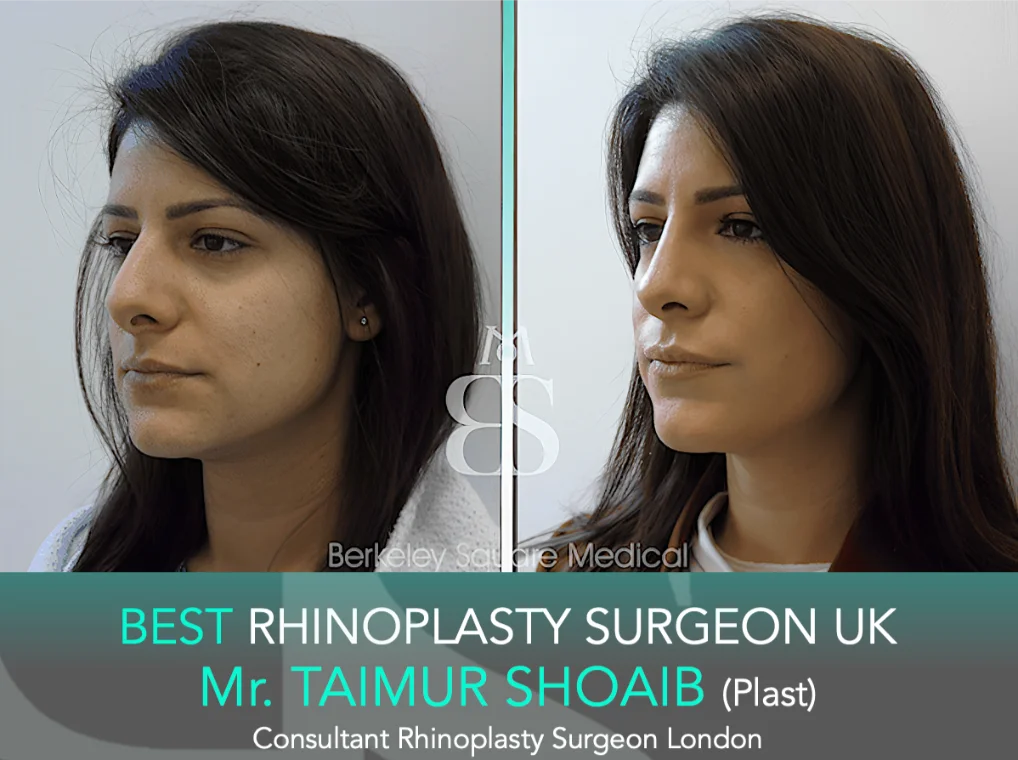
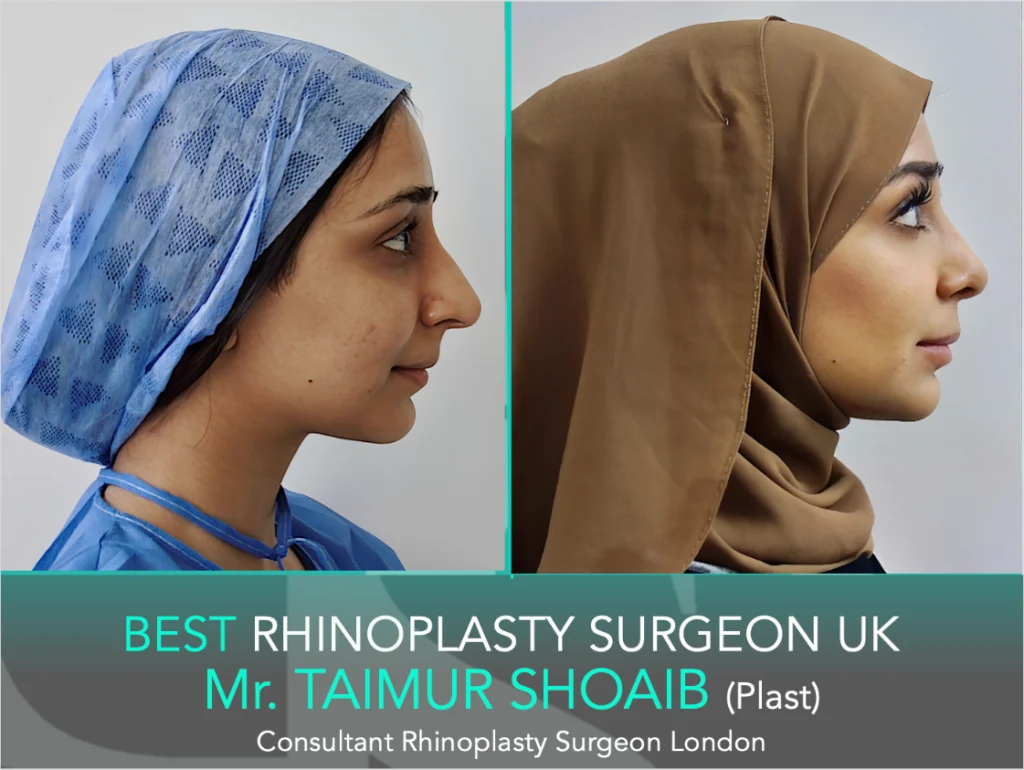
Middle Eastern and Arabic noses often have strong cartilage and a pronounced bridge, and for some a concern about over-projection. Because the cartilage is strong and the skin can be thicker, careful structural work is used so the result is stable and keeps the character of your face. Read more on Middle Eastern and Arabic rhinoplasty.
East Asian Noses
East Asian noses commonly have a lower bridge and softer tip cartilage, and the goal is frequently augmentation, adding height and tip definition with the patient's own cartilage or grafts, rather than reduction, as in flat nose rhinoplasty. Every plan is built around what you want and what your anatomy safely allows.
Choose your background below to see the specific techniques, considerations and before-and-after results most relevant to you.